Smart Home Security 2026: AI Features, Costs & Savings Guide
The Ultimate 2026 Buying Guide to Smart Home Security Systems: What Americans Need to Know About New AI Features and Installation Costs (Avg. $450 Savings)
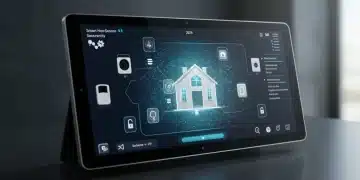
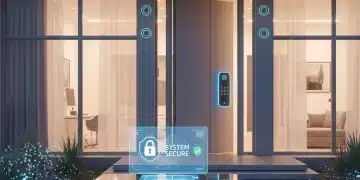
In an increasingly interconnected world, the concept of home security has evolved dramatically. Gone are the days when a simple alarm system was enough. Welcome to 2026, where smart home security 2026 systems are not just about deterring intruders, but about creating an intelligent, proactive shield around your sanctuary. This comprehensive guide will navigate you through the cutting-edge AI features, demystify installation costs, and reveal how you can save an average of $450 on your next smart home security investment.
The pace of technological advancement in home security is relentless. What was considered futuristic just a few years ago is now standard, and the innovations emerging in 2026 are truly transformative. From predictive analytics to advanced biometric authentication, the capabilities of modern smart home security systems are designed to offer unparalleled peace of mind. But with so many options and rapid changes, how do you make an informed decision? This guide is your essential resource.
Understanding the landscape of smart home security 2026 requires a look at not just the gadgets, but the underlying intelligence that powers them. Artificial Intelligence (AI) is no longer a buzzword; it’s the core engine driving smarter, more efficient, and more reliable protection for your home and loved ones. We’ll delve deep into how AI is revolutionizing everything from threat detection to personal safety protocols, ensuring you’re equipped with the knowledge to choose the best system for your needs.
The Evolution of Smart Home Security: What’s New in 2026?
The journey from traditional alarm systems to sophisticated smart home security 2026 solutions has been marked by significant milestones. Early smart systems offered remote control and basic automation. Today, the integration of AI has elevated these systems to an entirely new level, making them more intuitive, responsive, and predictive.
Key AI Innovations Redefining Security
- Predictive Analytics: AI algorithms analyze historical data and real-time inputs to identify patterns and predict potential threats before they materialize. For instance, a system might learn your neighborhood’s typical activity patterns and flag unusual occurrences, like a vehicle idling for too long or an unfamiliar person repeatedly passing your property.
- Advanced Facial Recognition: Beyond simply identifying known individuals, 2026 systems can differentiate between residents, authorized visitors, and strangers with remarkable accuracy. This means fewer false alarms and more precise alerts. Some systems even integrate with local police databases (with user consent) to identify known offenders in the vicinity.
- Behavioral Anomaly Detection: Instead of just triggering an alarm when a door opens, AI can detect unusual behavior within your home. This could be anything from a pet acting strangely (indicating potential illness or distress) to an elderly family member falling, prompting immediate alerts to designated contacts.
- Voice and Sound Analysis: Microphones equipped with AI can distinguish between different types of sounds – a breaking window, a smoke alarm, a baby crying, or even specific keywords. This allows for tailored responses, such as automatically calling emergency services for a detected fire alarm or sending a notification if a child is in distress.
- Integrated Drone Surveillance: For larger properties, some high-end smart home security 2026 systems now include autonomous drones that can patrol perimeters, respond to motion sensor triggers, and provide real-time aerial footage, significantly expanding the scope of surveillance.
- Cybersecurity Integration: As smart homes become more connected, cybersecurity is paramount. New systems incorporate robust AI-driven firewalls and intrusion detection systems to protect your network from digital threats, ensuring your personal data and privacy remain secure.
These AI advancements are not just about adding features; they’re about creating a truly intelligent security ecosystem that understands your home, anticipates risks, and acts autonomously to protect it. This level of sophistication means fewer false alarms, faster response times, and a more comprehensive security posture.
Understanding Smart Home Security Installation Costs in 2026
One of the primary concerns for homeowners considering a smart home security 2026 system is the cost. It’s a significant investment, but understanding the various components that contribute to the total price can help you budget effectively and find opportunities for savings.
Breakdown of Average Costs
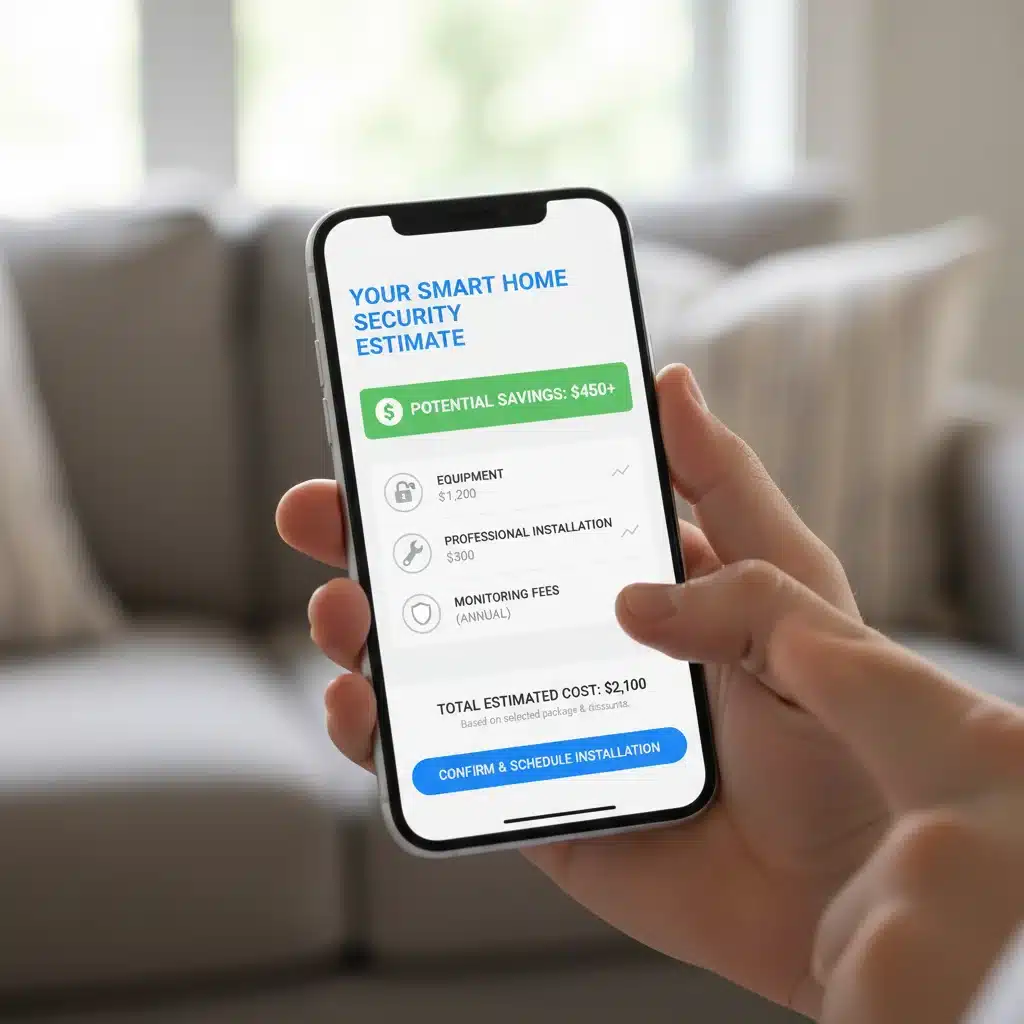
The total cost of a smart home security system typically comprises three main elements: equipment, installation, and monthly monitoring fees. These can vary widely based on the system’s complexity, brand, and the provider you choose.
1. Equipment Costs
- Basic Starter Kits: For a foundational system including a control panel, a few door/window sensors, and a motion detector, expect to pay anywhere from $150 to $500. These are often DIY-friendly or come with minimal installation charges.
- Mid-Range Systems: These typically add indoor/outdoor cameras, smart locks, and environmental sensors (smoke, CO2, flood). Costs can range from $500 to $1,500.
- Advanced AI-Powered Systems: For systems incorporating facial recognition cameras, drone surveillance, advanced behavioral analytics, and extensive smart home integration, prices can soar from $1,500 to $5,000+. These often require professional consultation and installation.
- Individual Components: If you’re expanding an existing system or building one piece by piece, individual components can cost:
- Smart Cameras (AI-enabled): $100 – $400 each
- Smart Locks: $150 – $350 each
- Door/Window Sensors: $20 – $50 each
- Motion Detectors: $40 – $100 each
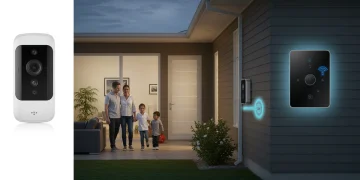
- Smart Doorbells: $100 – $300
- Environmental Sensors: $50 – $150 each
2. Installation Costs
Installation can be a significant part of the overall expense, especially for complex systems. Here’s what to expect:
- DIY Installation: Many basic and some mid-range systems are designed for self-installation, meaning zero installation cost. This requires a certain level of tech savviness and time investment.
- Professional Installation: Most advanced smart home security 2026 systems, particularly those involving hardwired components, outdoor camera placement, or complex network configurations, require professional installation. These costs can range from $99 to $500, depending on the number of devices and the complexity of the setup. Some providers offer free installation with a long-term monitoring contract.
- Custom Wiring/Integration: If your home requires new wiring, extensive drilling, or integration with existing legacy systems, these custom services can add hundreds or even thousands to the installation bill.
3. Monthly Monitoring Fees
This is an ongoing cost that provides professional oversight of your security system. Monitoring ensures that if an alarm is triggered, a central station is notified and can dispatch emergency services if necessary.
- Basic Monitoring: Typically includes professional monitoring for intrusions, fire, and medical emergencies. Costs usually range from $15 to $30 per month.
- Advanced Monitoring: Includes all basic features plus video verification, smart home integration, cellular backup, and access to advanced app features. Expect to pay $30 to $60 per month.
- Premium/AI-Enhanced Monitoring: For systems leveraging AI for predictive analytics, personalized alerts, and advanced threat detection, monthly fees can range from $60 to $100+ per month. These often include dedicated support and proactive maintenance.
Average Total Initial Investment: For a comprehensive mid-to-high-range smart home security 2026 system, including equipment and professional installation, Americans can expect an initial outlay of $800 to $3,000, followed by monthly monitoring fees.
How to Achieve Average $450 Savings on Your Smart Home Security System
Investing in smart home security 2026 doesn’t have to break the bank. With strategic planning and savvy shopping, you can significantly reduce your overall costs. Here’s how to save an average of $450, and potentially more:
1. Bundle Deals and Promotions
Many providers offer attractive bundle deals that combine equipment, installation, and monitoring at a reduced price. Keep an eye out for seasonal promotions, new customer discounts, and holiday sales. Bundling can often save you hundreds compared to purchasing components and services separately.
- Actionable Tip: Sign up for newsletters from major security providers and comparison websites to be notified of upcoming deals. Ask sales representatives directly about current promotions.
2. DIY Installation (Where Possible)
If you’re comfortable with basic tech setup, opting for a system that allows for self-installation can eliminate professional installation fees, saving you between $99 and $500. Many modern smart security systems are designed for user-friendly setup with step-by-step app instructions.
- Actionable Tip: Research systems known for easy DIY installation. Watch online tutorials and read user reviews to gauge the complexity before committing.
3. Choose the Right Level of Monitoring
Evaluate your needs carefully. Do you require 24/7 professional monitoring with video verification and AI analytics, or would a more basic plan suffice, supplemented by self-monitoring features? Over-subscribing to features you don’t need can add unnecessary costs over time.
- Actionable Tip: Compare monitoring plans across different providers. Some offer tiered services, allowing you to upgrade or downgrade as your needs change.
4. Leverage Existing Smart Home Devices
If you already own smart home devices like voice assistants (Alexa, Google Assistant), smart lights, or smart plugs, look for security systems that are compatible with these. Integrating existing devices can reduce the need to buy new components and streamline your smart home ecosystem.
- Actionable Tip: Check for Z-Wave, Zigbee, or Matter compatibility when selecting a security system to ensure broad interoperability with your current smart devices.
5. Negotiate and Compare Quotes
Don’t settle for the first quote you receive. Contact multiple security providers and get detailed estimates. Use competing offers as leverage to negotiate better deals, especially on equipment costs or installation fees.
- Actionable Tip: Be prepared to discuss specific components and monitoring features you desire. A clear understanding of your needs will help you compare apples to apples.
6. Home Insurance Discounts
Many home insurance providers offer significant discounts (often 5% to 20%) for homes equipped with monitored security systems, especially those with advanced features like fire and flood detection. These savings can offset a portion of your monthly monitoring fees over time.
- Actionable Tip: Contact your home insurance agent to inquire about available discounts for smart home security 2026 systems and what specific features qualify for the highest savings.
7. Consider Certified Refurbished Equipment
Some reputable providers offer certified refurbished equipment at a reduced price. These devices are typically tested, cleaned, and come with a warranty, offering a cost-effective alternative to brand-new hardware.
- Actionable Tip: Ensure any refurbished equipment comes from a trusted source and includes a warranty to protect your investment.
8. Long-Term Contracts vs. No-Contract Options
While long-term contracts often come with lower upfront equipment costs or free installation, they commit you to monthly fees for an extended period. No-contract options might have higher upfront costs but offer greater flexibility. Calculate the total cost over the contract period versus a no-contract approach to see which offers better value for your situation.
- Actionable Tip: Factor in potential relocation or changes in your security needs when evaluating contract lengths.
By combining several of these strategies, achieving an average saving of $450 on your smart home security 2026 system is entirely feasible. This allows you to invest in a superior system without overspending.
Key Considerations When Choosing Your Smart Home Security System
Beyond costs and features, several other factors should influence your decision when selecting a smart home security 2026 system. Making an informed choice ensures long-term satisfaction and effective protection.
1. Reliability and Uptime
A security system is only as good as its reliability. Look for systems with robust network connectivity (cellular backup is crucial), battery backup during power outages, and a proven track record of minimal downtime. AI features should function consistently without glitches.
2. User-Friendliness and App Interface
You’ll interact with your security system daily via its control panel or mobile app. Ensure the interface is intuitive, easy to navigate, and provides quick access to essential functions. A clunky app can lead to frustration and decreased utilization of features.
3. Scalability and Future-Proofing
Your security needs may evolve. Choose a system that allows for easy expansion with additional sensors, cameras, and smart home devices. Opt for systems that receive regular software updates to incorporate new AI features and security patches, ensuring it remains relevant in the years to come.
4. Privacy and Data Security
With advanced cameras and AI analyzing behavioral patterns, data privacy is a significant concern. Research providers’ data encryption policies, how they handle your video footage, and their commitment to privacy. Look for systems with local storage options for sensitive data.
5. Customer Support and Emergency Response
In a crisis, reliable customer support and rapid emergency response are paramount. Investigate the provider’s reputation for customer service, average response times, and their protocols for dispatching emergency services.
6. Professional Monitoring vs. Self-Monitoring
While self-monitoring can save on monthly fees, professional monitoring offers peace of mind knowing trained professionals are always watching. For smart home security 2026, professional monitoring often unlocks the full potential of AI features, as it allows for expert analysis and faster dispatch.
7. Environmental Monitoring
Modern security goes beyond intrusion. Consider systems that integrate smoke, carbon monoxide, and flood detectors. AI can enhance these by learning typical environmental patterns and detecting anomalies more precisely, like a sudden spike in CO2 levels that might indicate a faulty appliance.
The Future is Now: AI’s Impact on Home Safety and Beyond
The integration of AI into smart home security 2026 systems isn’t just about preventing burglaries; it’s about creating a holistic home safety environment. AI-powered systems can learn your routines, anticipate potential hazards, and even contribute to your overall well-being. For example:
- Elderly Care: AI can monitor the movements and health metrics of elderly residents, detecting falls, prolonged inactivity, or unusual sleep patterns, and alerting caregivers.
- Child Safety: Geofencing capabilities combined with AI can notify parents if a child leaves a designated safe zone or if an unknown person approaches the home when children are alone.
- Energy Efficiency: By learning occupancy patterns and integrating with smart thermostats, security systems can optimize energy usage, contributing to both savings and environmental sustainability.
- Pet Monitoring: Advanced cameras can track pet activity, alert you to unusual behavior, or even dispense treats remotely, ensuring your furry friends are safe and happy.
These expanded capabilities demonstrate that smart home security 2026 is becoming an integral part of the broader smart home ecosystem, enhancing not just security, but convenience, comfort, and care.
Installation Best Practices for Optimal Smart Home Security
Whether you choose DIY or professional installation, adhering to best practices will maximize your system’s effectiveness and longevity.
1. Strategic Camera Placement
Place outdoor cameras to cover entry points, driveways, and vulnerable areas, avoiding direct sunlight or strong backlighting that can obscure footage. Indoor cameras should cover common areas, but respect privacy in bedrooms and bathrooms.
2. Secure Your Network
Your Wi-Fi network is the backbone of your smart home security. Use a strong, unique password for your router, enable WPA3 encryption, and consider setting up a separate guest network for visitors to isolate your smart devices.
3. Regular Maintenance and Updates
Keep your system’s software and firmware updated to benefit from the latest AI features, bug fixes, and security patches. Regularly check batteries in wireless sensors and clean camera lenses for optimal performance.
4. Test Your System Regularly
Periodically test your alarms, sensors, and emergency call features to ensure everything is functioning correctly. Inform your monitoring center before conducting tests to avoid false dispatches.
5. Understand Your System’s Limitations
While smart home security 2026 systems are highly advanced, no system is foolproof. Be aware of your system’s capabilities and limitations, and supplement with good old-fashioned security habits like locking doors and windows.
Conclusion: Securing Your Future with Smart Home Security in 2026
The landscape of home security in 2026 is defined by intelligence, integration, and proactive protection. Investing in a smart home security 2026 system equipped with the latest AI features offers an unparalleled level of safety and peace of mind. By understanding the technological advancements, carefully evaluating installation and monitoring costs, and employing smart saving strategies, you can secure a cutting-edge system that not only protects your home but also enhances your lifestyle.
Remember, the goal isn’t just to install a system; it’s to create a smart, responsive ecosystem that adapts to your needs and anticipates threats. With this guide, you are now well-equipped to navigate the market and make an informed decision that will safeguard your home and family for years to come, potentially saving you an average of $450 in the process. Embrace the future of home security – it’s smarter, safer, and more connected than ever before.