Warranty Shifts 2026: Navigating Manufacturer Updates and Product Guarantees

Understanding Warranty Shifts: How 2026 Manufacturer Updates Affect Your Product Guarantees
The world of consumer goods is constantly evolving, and with it, the intricate web of product warranties and guarantees. As we approach 2026, a significant number of manufacturers are poised to introduce crucial updates to their warranty policies. These changes are not merely administrative adjustments; they represent a fundamental shift in how consumers interact with their purchased products, from initial purchase to potential repairs or replacements. Understanding these warranty shifts 2026 is paramount for every consumer, ensuring you remain informed, protected, and empowered in your purchasing decisions. This comprehensive guide will delve into the anticipated changes, their implications, and how you can effectively navigate this evolving landscape.
The Impetus Behind the Warranty Shifts 2026
Why are so many manufacturers choosing 2026 as the year for significant warranty overhauls? Several factors contribute to this synchronized movement. Firstly, advancements in technology have led to products with longer lifespans, but also increased complexity. This often necessitates revised service agreements and coverage parameters. Secondly, evolving consumer protection laws in various jurisdictions are pushing manufacturers to re-evaluate their responsibilities and liabilities. Global supply chain disruptions, sustainability initiatives, and the push for a circular economy also play a role, influencing how manufacturers approach product longevity, repairability, and ultimately, warranty coverage. These converging forces are creating a perfect storm for widespread warranty shifts 2026, impacting everything from major appliances to personal electronics and automotive components.
Technological Advancements and Product Longevity
Modern products, especially in electronics and smart home devices, are designed with increasingly sophisticated components. While this often translates to better performance, it also means that repairs can be more complex and costly. Manufacturers are adjusting their warranty terms to reflect these realities, sometimes offering tiered warranty options or specific coverage for software versus hardware components. The rise of modular design and repairability scores in some regions is also influencing how warranties are structured, encouraging manufacturers to support longer product lifecycles through accessible repairs.
Evolving Consumer Protection Laws
Governments worldwide are continually refining consumer protection legislation. In some areas, there’s a growing emphasis on a ‘right to repair,’ which could directly influence warranty terms by mandating that manufacturers provide parts, tools, and information for independent repairs. Other legislative changes might focus on extending the implied warranty period, holding manufacturers accountable for product defects for a longer duration, regardless of explicit warranty statements. These legal pressures are a major driver behind the anticipated warranty shifts 2026, forcing companies to adapt their policies to remain compliant and avoid legal repercussions.
Sustainability and Circular Economy Initiatives
The global push towards sustainability and a circular economy is encouraging manufacturers to design products that are more durable, repairable, and recyclable. This philosophical shift can manifest in warranty policies that promote repair over replacement, offer extended warranty options for refurbished parts, or even provide incentives for returning old products for recycling. As companies align with these eco-friendly goals, their warranty structures will inevitably reflect a greater commitment to product lifecycle management. The warranty shifts 2026 are therefore not just about consumer protection, but also about corporate responsibility.
Key Areas of Anticipated Change in 2026 Warranties
While the specifics will vary by manufacturer and product category, several common themes are expected to emerge in the 2026 warranty updates. Consumers should pay close attention to these areas:
Duration of Coverage
One of the most immediate changes consumers might notice is in the length of the standard warranty period. Some manufacturers might opt for shorter standard warranties on certain components while offering extended coverage as an add-on. Conversely, in response to consumer demand or regulatory pressure, some may extend the baseline warranty for specific product types known for longevity or high investment costs. It’s crucial to compare the new durations against previous policies.
Scope of Coverage
The ‘what’ is covered will be just as important as the ‘how long.’ Expect more granular details on what constitutes a manufacturing defect versus wear and tear, accidental damage, or misuse. Some warranties might explicitly exclude certain parts, software issues, or damage from third-party modifications. Understanding these exclusions will prevent unpleasant surprises when making a claim. The warranty shifts 2026 will likely bring a higher degree of specificity in this regard.
Claim Process and Requirements
Manufacturers are continuously refining their claim processes. This could mean more streamlined online submission forms, enhanced diagnostic tools to troubleshoot issues remotely, or stricter requirements for proof of purchase and product registration. Some companies might introduce mandatory self-service troubleshooting steps before a repair or replacement is authorized. Familiarizing yourself with these new procedures beforehand can significantly expedite any future warranty claims.
Service and Repair Options
The way products are serviced under warranty is also evolving. Expect more emphasis on authorized service centers, with potential limitations on third-party repairs. Some manufacturers might offer doorstep service for larger items, while others might require mail-in repairs. The availability of genuine parts and the speed of repair turnaround times are also key aspects to monitor with these warranty shifts 2026.
Transferability of Warranties
For those who buy or sell used goods, the transferability of a product’s warranty is a critical factor. Some manufacturers may tighten restrictions on transferring warranties to subsequent owners, while others might simplify the process to add value to their products in the secondary market. Always check the fine print if you plan to buy or sell a product that is still under its original warranty period.
Impact on Different Product Categories
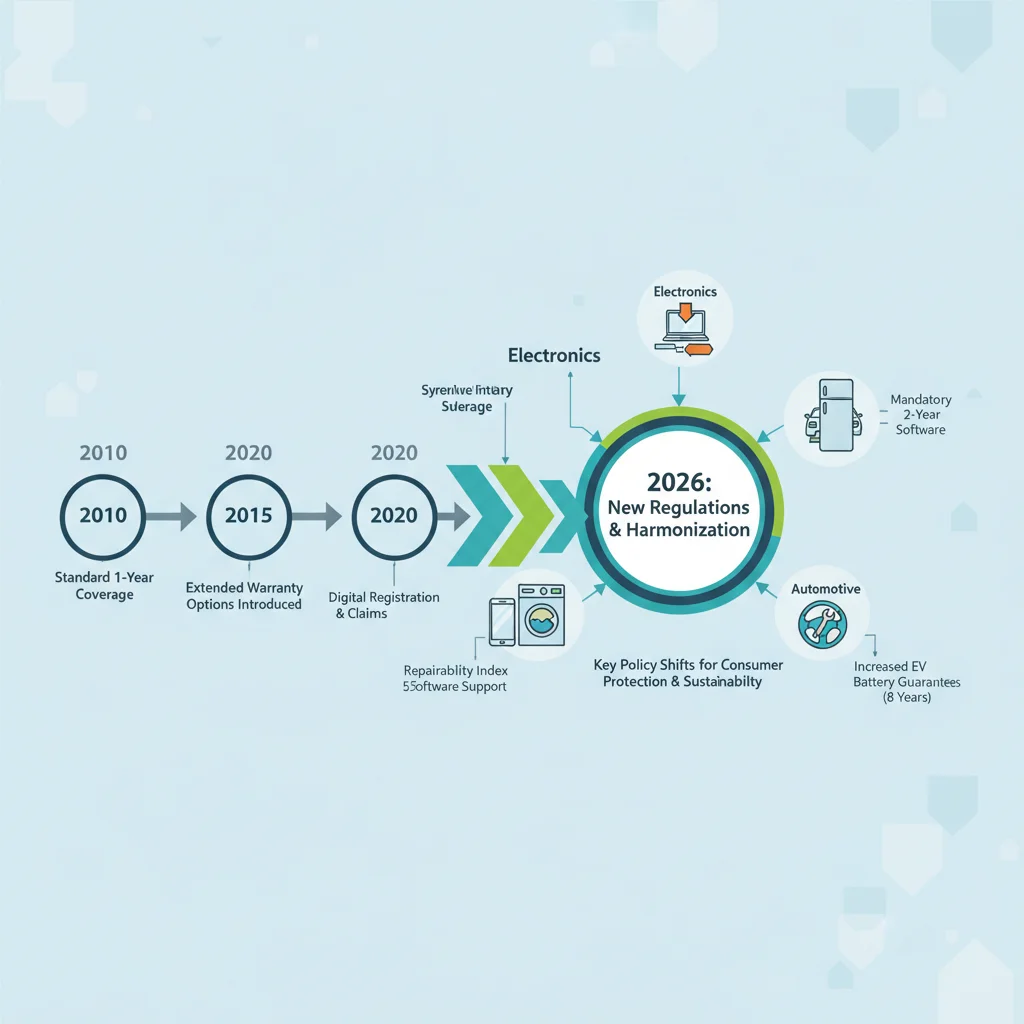
The warranty shifts 2026 will not affect all product categories uniformly. Here’s a look at some specific sectors and what consumers might expect:
Electronics and Gadgets
This sector is likely to see some of the most dynamic changes. With rapid technological obsolescence and integration of complex software, warranties might increasingly differentiate between hardware and software defects. We could see shorter warranties on batteries or screens, while core components might retain longer coverage. Emphasis on repairability and modular design might also lead to warranties that cover individual components rather than the entire device.
Home Appliances
Major appliances often come with substantial warranties due to their cost and expected lifespan. The warranty shifts 2026 here might focus on extending the duration for critical components like compressors in refrigerators or motors in washing machines, while standardizing shorter terms for cosmetic defects or consumable parts. In-home service options might become more prevalent for premium brands.
Automotive
The automotive industry is undergoing a massive transformation with electric vehicles (EVs) and advanced driver-assistance systems (ADAS). Warranties on EV batteries and electric powertrains are already a significant selling point, and these might see further standardization or even extensions. Software updates and cybersecurity vulnerabilities could also become new areas of warranty coverage, reflecting the increasing computerization of vehicles. The complexity of these systems makes understanding automotive warranty shifts 2026 crucial for car buyers.
Furniture and Home Goods
For items like furniture, mattresses, and other home goods, warranties typically cover manufacturing defects in materials and workmanship. The warranty shifts 2026 in this category might involve clearer definitions of what constitutes a defect, specific exclusions for normal wear and tear, or revised policies on fabric and finish damage. Some manufacturers might introduce tiered warranties based on material quality or price point.
What Consumers Need to Do: Preparing for Warranty Shifts 2026
Staying proactive is the best defense against being caught off guard by these upcoming warranty changes. Here’s a checklist for consumers:
Read the Fine Print (Again!)
This cannot be stressed enough. Before making any significant purchase in 2026 and beyond, thoroughly read the warranty document. Don’t just skim it; understand every clause, exclusion, and requirement. If anything is unclear, ask the retailer or manufacturer for clarification. The warranty shifts 2026 mean that assumptions based on past experiences might no longer hold true.
Register Your Products
Many manufacturers require product registration to activate the warranty or to facilitate easier claims. Make it a habit to register all eligible products immediately after purchase. This often ensures you receive important updates, recalls, and can streamline the warranty claim process if needed.
Keep Records and Proof of Purchase
Always retain your receipts, invoices, and any other proof of purchase. Digital copies are excellent, but also consider physical backups for high-value items. These documents are essential for validating your warranty and proving the date of purchase.
Understand Extended Warranty Options
With potential adjustments to standard warranty durations, extended warranty options might become more appealing or even necessary for some products. Carefully evaluate whether an extended warranty makes sense for your specific purchase, considering the product’s reliability, cost of potential repairs, and the terms of the extended coverage. Be wary of aggressive sales tactics for these; always do your research.
Know Your Consumer Rights
Beyond manufacturer warranties, consumers often have statutory rights under local and national consumer protection laws. These rights can sometimes offer greater protection than the manufacturer’s warranty, especially regarding products that are not ‘fit for purpose’ or are of ‘unmerchantable quality.’ Familiarize yourself with these rights in your region, as they provide a crucial safety net amidst the warranty shifts 2026.
Monitor Manufacturer Announcements
Stay informed by following official announcements from manufacturers, consumer advocacy groups, and reputable tech/product review sites. Many companies will publicize their updated policies well in advance. Subscribing to newsletters from your preferred brands can also keep you in the loop.

The Role of Third-Party Warranties and Insurance
In light of the warranty shifts 2026, the landscape for third-party warranties and product insurance might also evolve. These services often fill gaps left by standard manufacturer warranties, offering coverage for accidental damage, theft, or extended mechanical breakdowns. As manufacturer warranties become more specific or potentially shorter, third-party options may become more attractive. However, it’s crucial to scrutinize these policies even more carefully, comparing their coverage, deductibles, and exclusions against the manufacturer’s offerings.
Evaluating Third-Party Providers
When considering a third-party warranty or insurance, research the provider’s reputation, customer service, and claims process. Look for transparent terms and conditions, and ensure the coverage genuinely adds value beyond what the manufacturer or your existing home insurance might provide. Some credit card companies also offer extended warranty benefits; check your cardholder agreement before purchasing additional coverage.
Long-Term Implications of Warranty Shifts 2026
The anticipated warranty shifts 2026 are not just about immediate changes to policy documents; they have broader implications for the consumer market and industry practices:
Increased Focus on Product Quality and Durability
As manufacturers refine their warranty terms, there’s an implicit pressure to produce higher-quality, more durable goods. Stricter warranty conditions might incentivize companies to invest more in research and development to minimize defects, thereby reducing their own warranty claim costs. This could ultimately benefit consumers through more reliable products.
Greater Transparency from Manufacturers
The legal and consumer advocacy push for clearer, more accessible warranty information will likely lead to greater transparency from manufacturers. We might see simplified language, interactive online warranty tools, and clearer comparisons of different coverage levels. This transparency will empower consumers to make more informed decisions.
Evolution of Consumer Expectations
As consumers become more aware of the nuances of warranty coverage, their expectations will also evolve. There will be a greater demand for comprehensive, fair, and easily understandable warranty terms. Manufacturers who excel in this area may gain a competitive advantage, building stronger trust and loyalty with their customer base. The warranty shifts 2026 could therefore reshape how brand loyalty is built.
Impact on the Resale Market
The transferability of warranties and the overall perception of product durability will significantly influence the resale market for consumer goods. Products with robust, transferable warranties are likely to retain more value, benefiting both original owners and secondary market buyers. Conversely, products with restrictive or short warranties might see faster depreciation.
Conclusion: Navigating the Future of Product Guarantees
The warranty shifts 2026 represent a pivotal moment in consumer product protection. While these changes may initially seem daunting, they also present an opportunity for consumers to become more informed and discerning buyers. By staying vigilant, understanding the fine print, and knowing your rights, you can confidently navigate the evolving landscape of manufacturer updates and ensure your product guarantees provide the protection you expect and deserve. The proactive consumer will be the most empowered in this new era of product warranties. Remember, a warranty is not just a piece of paper; it’s a promise, and understanding that promise is key to a satisfying ownership experience.