AI in Consumer Services: 2026 Trends & Future Customer Experience
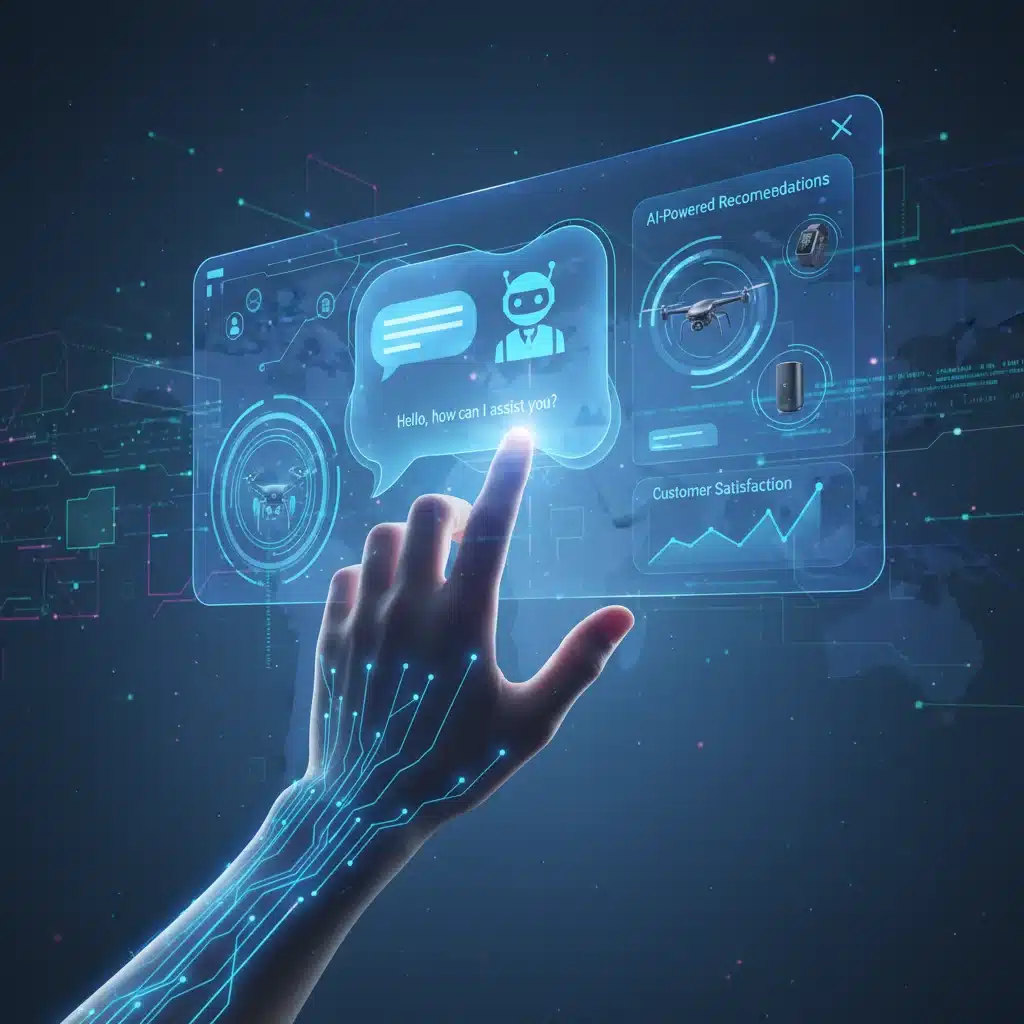
The Rise of AI in Consumer Services: What 2026 Trends Mean for Customer Support and Purchase Assistance
The landscape of consumer services is undergoing a profound transformation, driven by the relentless advancement of artificial intelligence. As we hurtle towards 2026, AI is no longer a futuristic concept but a vital, integral component of how businesses interact with their customers. From automated customer support to hyper-personalized purchase assistance, the influence of AI Consumer Services is expanding at an unprecedented rate. This comprehensive guide will explore the pivotal trends shaping this evolution, offering insights into what businesses and consumers can expect in the coming years.
The integration of AI into consumer services promises not just efficiency gains but a fundamental shift in the very nature of customer experience. It’s about moving beyond reactive problem-solving to proactive engagement, anticipating needs, and delivering solutions with unparalleled speed and precision. For companies striving for competitive advantage, understanding and strategically implementing these AI trends will be paramount.
The Current State of AI Consumer Services: A Foundation for Growth
Before we delve into the future, it’s crucial to acknowledge the current state of AI Consumer Services. Today, AI is already making significant inroads. Chatbots handle routine inquiries, freeing human agents for complex issues. Recommendation engines personalize shopping experiences, while AI-powered analytics tools provide businesses with invaluable insights into customer behavior. These applications, while impressive, are merely the tip of the iceberg.
The foundational technologies enabling this growth include advancements in natural language processing (NLP), machine learning (ML), and deep learning. These technologies allow AI systems to understand, interpret, and generate human-like text, recognize speech, analyze vast datasets, and learn from interactions. The more data AI systems process, the smarter and more effective they become, creating a virtuous cycle of improvement that will accelerate into 2026.
However, the current landscape isn’t without its challenges. Early implementations often faced limitations in understanding complex queries or maintaining empathetic interactions. The key to future success lies in overcoming these hurdles, pushing the boundaries of AI capabilities to deliver truly seamless and human-centric experiences.
Key Trends in AI Consumer Services for 2026
The next few years will witness several transformative trends in AI Consumer Services. These trends will redefine customer expectations and force businesses to innovate rapidly.
1. Hyper-Personalization at Scale
Personalization has been a buzzword for years, but AI is elevating it to hyper-personalization. By 2026, AI systems will leverage vast amounts of data—including purchase history, browsing behavior, social media activity, and even emotional cues—to offer tailor-made experiences. This isn’t just about suggesting products; it’s about anticipating needs, customizing entire user interfaces, and delivering content that resonates deeply with individual consumers.
Imagine an AI assistant that not only remembers your past purchases but also understands your current mood based on your voice tone and offers proactive solutions or recommendations before you even articulate a need. This level of predictive personalization will become a standard expectation in various consumer service touchpoints.
2. Proactive Customer Support and Predictive Service
The traditional model of customer support is reactive: a customer encounters a problem, then seeks help. AI is flipping this paradigm. By 2026, AI Consumer Services will be highly proactive, using predictive analytics to identify potential issues before they impact the customer. For instance, an AI system might detect a potential service outage in your area and automatically send an alert with an estimated resolution time, or notice a pattern in your device usage that suggests an impending malfunction and offer preventative maintenance tips.
This shift from reactive to proactive support will significantly reduce customer frustration and enhance brand loyalty. It transforms customer service from a cost center into a value-add, demonstrating a company’s commitment to its customers’ well-being.
3. Conversational AI and Advanced Chatbots
While current chatbots can sometimes feel rigid, 2026 will see the rise of highly sophisticated conversational AI. These advanced chatbots will move beyond script-based responses, exhibiting greater understanding of natural language, context, and even subtle human emotions. They will be capable of handling more complex multi-turn conversations, seamlessly escalating to human agents when necessary, and maintaining context across different channels.
The goal is to make interactions with AI indistinguishable from talking to a highly competent human agent for a wide range of inquiries. Voice AI assistants will also become more prevalent, offering hands-free, natural interactions for various service requests.
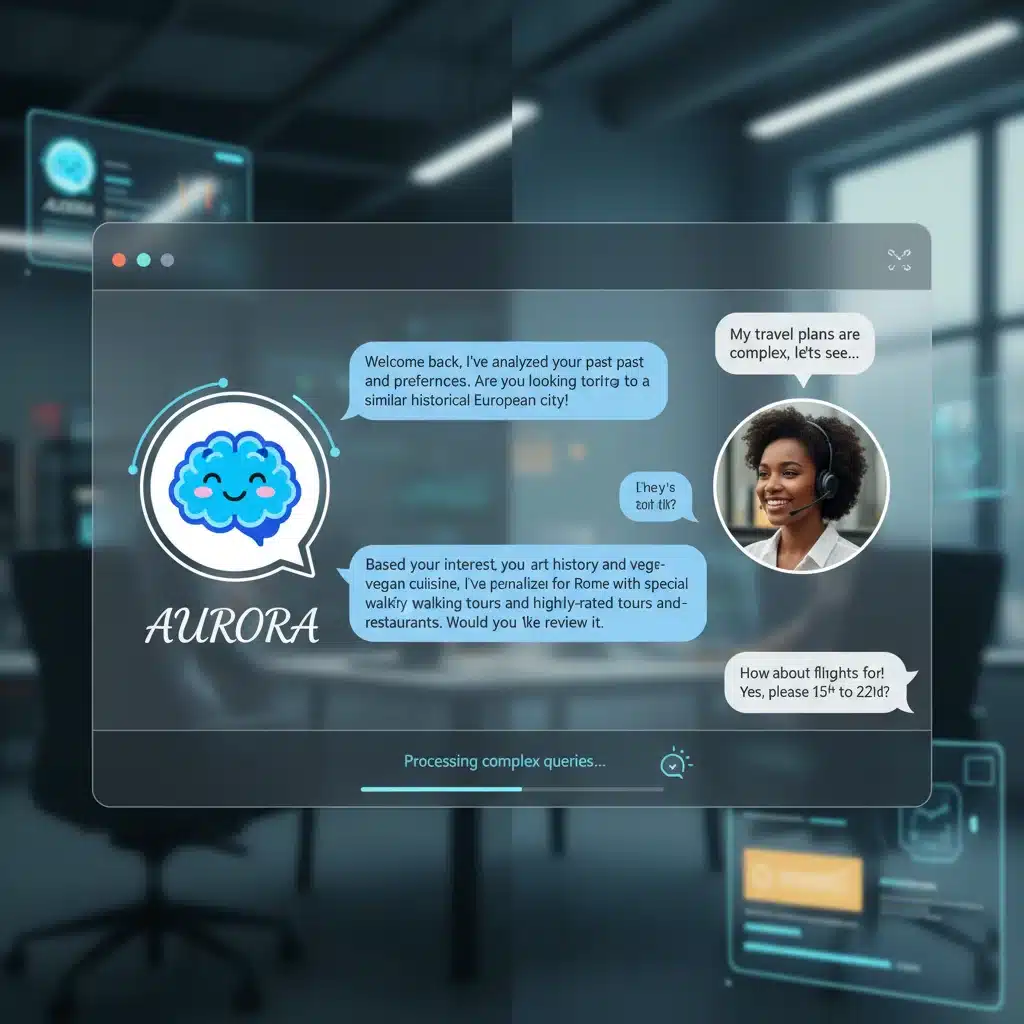
4. AI-Powered Purchase Assistance and Guided Selling
For businesses, AI will revolutionize the sales funnel through intelligent purchase assistance. By 2026, AI will act as a virtual sales assistant, guiding customers through complex purchasing decisions. This includes:
- Intelligent Product Recommendations: Far beyond simple ‘customers who bought this also bought…’, AI will suggest products based on deep understanding of individual preferences, lifestyle, and even future needs.
- Virtual Try-Ons and Demos: Augmented Reality (AR) combined with AI will allow customers to virtually try on clothes, place furniture in their homes, or test drive cars, enhancing the online shopping experience.
- Dynamic Pricing and Offers: AI will analyze real-time market conditions, inventory levels, and individual customer profiles to offer personalized pricing and promotions, maximizing conversion rates.
- Seamless Checkout Experiences: AI will streamline the checkout process, anticipating payment methods, pre-filling information, and offering immediate support for any issues.
This guided selling approach will not only boost sales but also reduce return rates by ensuring customers make more informed and satisfying purchases.
5. Ethical AI and Trust Building
As AI becomes more integrated into daily life, ethical considerations will come to the forefront. By 2026, consumers will demand transparency, fairness, and accountability from AI systems. Businesses will need to prioritize:
- Data Privacy and Security: Robust measures to protect personal data will be non-negotiable.
- Algorithmic Transparency: Explaining how AI makes decisions, especially in sensitive areas like credit scoring or personalized offers, will build trust.
- Bias Detection and Mitigation: Actively working to identify and eliminate biases in AI algorithms to ensure fair treatment for all customers.
- Human Oversight and Intervention: Ensuring that human agents can always override AI decisions and provide a human touch when needed.
Building trust in AI Consumer Services will be as important as the technology itself. Companies that fail to address these ethical concerns risk alienating their customer base.
Challenges and Opportunities for Businesses
While the potential of AI Consumer Services is immense, businesses face several challenges in adopting and scaling these technologies.
Challenges:
- Data Quality and Availability: AI systems are only as good as the data they’re trained on. Poor quality or insufficient data can lead to inaccurate predictions and ineffective service.
- Integration Complexity: Integrating AI tools with existing legacy systems can be complex and costly.
- Talent Gap: A shortage of skilled AI professionals can hinder development and deployment.
- Maintaining the Human Touch: Balancing automation with human interaction to ensure empathy and resolve complex, nuanced issues.
- Ethical and Regulatory Compliance: Navigating evolving regulations around data privacy, AI ethics, and consumer protection.
Opportunities:
- Enhanced Customer Satisfaction and Loyalty: Delivering superior, personalized experiences leads to happier, more loyal customers.
- Increased Operational Efficiency: Automating routine tasks frees up human agents to focus on high-value interactions, reducing operational costs.
- Deeper Customer Insights: AI analytics provide unparalleled understanding of customer behavior, enabling better product development and marketing strategies.
- Competitive Differentiation: Early and effective adoption of AI can provide a significant edge over competitors.
- New Revenue Streams: AI-driven personalization and proactive assistance can lead to increased sales and new service offerings.
Businesses that proactively address these challenges while seizing the opportunities will be well-positioned to thrive in the AI-driven consumer service landscape of 2026 and beyond.
The Role of Data in Powering AI Consumer Services
At the heart of every successful AI implementation is data. High-quality, well-structured, and ethically sourced data is the fuel that powers AI algorithms, enabling them to learn, adapt, and provide intelligent responses. For AI Consumer Services to truly excel by 2026, businesses must prioritize their data strategies.
This involves not only collecting vast amounts of customer data but also ensuring its accuracy, consistency, and relevance. Data governance frameworks will become critical to manage data lifecycle, ensure compliance, and maintain data integrity. Furthermore, the ability to integrate data from disparate sources—CRM systems, marketing platforms, social media, IoT devices, and transactional records—will be key to creating a holistic view of each customer, enabling truly hyper-personalized experiences.
Investment in data infrastructure, including data lakes, data warehouses, and advanced analytics platforms, will be essential. Companies will also need to develop robust data science capabilities to extract meaningful insights and continuously refine their AI models. Without a strong data foundation, even the most advanced AI algorithms will struggle to deliver their full potential.

Human-AI Collaboration: The Future Workforce
The rise of AI Consumer Services does not signal the end of human involvement; rather, it heralds a new era of human-AI collaboration. By 2026, the most effective customer service operations will be those where AI augments human capabilities, rather than replacing them entirely.
AI will handle the repetitive, data-intensive tasks, providing human agents with comprehensive customer profiles, suggested responses, and real-time insights during interactions. This frees up human agents to focus on complex problem-solving, empathetic engagement, and building stronger customer relationships. They will become ‘super agents,’ empowered by AI to deliver exceptional service.
Training programs will evolve to equip employees with the skills needed to work alongside AI, including understanding AI outputs, managing AI systems, and leveraging AI tools effectively. This synergistic relationship will lead to higher job satisfaction for employees and superior outcomes for customers.
Measuring Success in an AI-Driven Service Landscape
As AI Consumer Services become more prevalent, the metrics for success will also evolve. Beyond traditional customer satisfaction (CSAT) and net promoter score (NPS), businesses will increasingly focus on:
- Customer Effort Score (CES): Measuring how easy it is for customers to resolve their issues or complete tasks using AI tools.
- First Contact Resolution (FCR) Rate: AI’s ability to resolve issues on the first attempt, whether autonomously or by guiding human agents.
- Proactive Resolution Rate: The percentage of potential issues identified and resolved by AI before the customer is even aware of them.
- Personalization Effectiveness: Quantifying the impact of personalized recommendations and experiences on conversion rates and customer lifetime value.
- AI System Accuracy and Efficiency: Monitoring the performance of AI models, including response accuracy, processing speed, and resource utilization.
These metrics will provide a holistic view of AI’s impact, allowing businesses to continuously optimize their AI Consumer Services strategies and demonstrate tangible ROI.
The Long-Term Vision: Beyond 2026
Looking beyond 2026, the evolution of AI Consumer Services will continue at a rapid pace. We can anticipate even more sophisticated AI capabilities, including:
- Emotional AI: Systems that can not only detect but also respond empathetically to human emotions, creating more human-like and supportive interactions.
- Autonomous Customer Journeys: AI guiding customers through entire service journeys, from initial inquiry to resolution or purchase, with minimal human intervention, while always offering the option for human escalation.
- Contextual Awareness Across All Channels: AI systems maintaining a complete understanding of a customer’s history and preferences across every touchpoint, whether it’s a website, app, social media, or in-store interaction.
- Generative AI for Content Creation: AI assisting in generating personalized marketing content, product descriptions, and even tailored responses for complex queries, further enhancing personalization and efficiency.
The long-term vision is an ecosystem where AI seamlessly supports and enhances every facet of the customer journey, making interactions more intuitive, efficient, and ultimately, more satisfying.
Conclusion: Embracing the AI Revolution in Consumer Services
The year 2026 marks a critical juncture in the evolution of AI Consumer Services. The trends outlined—hyper-personalization, proactive support, advanced conversational AI, intelligent purchase assistance, and a strong focus on ethics—are not merely technological advancements; they represent a fundamental shift in how businesses will build relationships with their customers. Companies that embrace these changes, invest in robust AI strategies, prioritize data quality, and foster human-AI collaboration will be the ones that redefine customer experience and secure their position in the competitive market.
For consumers, this means a future where interactions with brands are more intuitive, personalized, and efficient than ever before. The promise of AI is not just about automation, but about creating more meaningful and satisfying connections. The journey to fully realize the potential of AI Consumer Services is ongoing, but the path to 2026 will undoubtedly lay the groundwork for a truly revolutionary era in customer engagement.
Prepare for a future where AI isn’t just a tool, but a strategic partner in delivering unparalleled customer satisfaction and driving business growth.