CPSC 2026 Safety Initiatives: Protecting US Shoppers from Hazardous Products

In an increasingly complex global marketplace, the safety of products available to consumers is paramount. The U.S. Consumer Product Safety Commission (CPSC) stands at the forefront of this critical mission, continually evolving its regulatory framework to address emerging hazards and improve consumer well-being. As we approach 2026, the CPSC is poised to introduce a series of significant initiatives designed to bolster product safety and protect US shoppers from hazardous products. These CPSC 2026 Safety Initiatives are not merely updates; they represent a proactive and comprehensive strategy to safeguard public health and ensure that products entering American homes meet the highest safety standards.
The landscape of consumer goods is ever-changing, driven by rapid technological advancements, new materials, and innovative design. While these developments often bring convenience and utility, they can also introduce unforeseen risks. The CPSC’s role is to anticipate these challenges and implement robust measures that prevent injuries and fatalities associated with consumer products. The upcoming CPSC 2026 Safety Initiatives are a testament to this commitment, focusing on key areas that have historically posed significant risks or where new threats have been identified.
This comprehensive article will delve deep into the specifics of the CPSC 2026 Safety Initiatives, providing an in-depth analysis of what these changes mean for consumers, manufacturers, retailers, and importers. We will explore the driving forces behind these new regulations, the key product categories targeted, and the anticipated impact on market dynamics. Understanding these initiatives is crucial for anyone involved in the consumer product ecosystem, from the end-user to the global supplier, to ensure compliance and contribute to a safer marketplace.
The CPSC’s mission is rooted in the Federal Hazardous Substances Act, the Consumer Product Safety Act, the Flammable Fabrics Act, the Poison Prevention Packaging Act, and the Refrigerator Safety Act. These foundational laws empower the agency to ban hazardous products, set mandatory safety standards, and issue recalls. The CPSC 2026 Safety Initiatives will build upon this strong legal framework, introducing more stringent requirements and expanding the scope of regulatory oversight to address contemporary safety concerns effectively.
For consumers, these initiatives promise a greater degree of confidence in the products they purchase, knowing that stricter standards are in place to prevent harm. For businesses, they necessitate a thorough review of product design, manufacturing processes, and supply chain management to ensure full compliance. The proactive adoption of these standards will not only mitigate legal and reputational risks but also foster a culture of safety that ultimately benefits everyone.
Understanding the Genesis of the CPSC 2026 Safety Initiatives
The development of the CPSC 2026 Safety Initiatives is not an arbitrary process but rather a response to continuous data analysis, incident reports, scientific research, and public feedback. The CPSC constantly monitors product-related injuries, fatalities, and potential hazards through various channels, including emergency room data, consumer complaints, and reports from manufacturers. This empirical evidence forms the bedrock upon which new regulations are formulated.
Data-Driven Decisions: The Foundation of New Regulations
Every year, the CPSC processes thousands of reports detailing incidents involving consumer products. These reports, ranging from minor injuries to severe fatalities, are meticulously analyzed to identify patterns, common failure modes, and areas where existing standards may be insufficient. For instance, if a particular type of product consistently leads to a specific injury, the CPSC will investigate the underlying causes and consider regulatory interventions. The CPSC 2026 Safety Initiatives are a direct outcome of such data-driven insights, targeting product categories and hazards that have demonstrated a persistent or escalating risk.
Furthermore, advancements in materials science and manufacturing processes can introduce new risks that were previously unknown. For example, the increasing use of certain chemicals in consumer products or the emergence of novel product functionalities can pose unforeseen health or safety hazards. The CPSC actively engages with scientific experts, industry stakeholders, and international regulatory bodies to stay abreast of these developments and proactively address potential dangers. The CPSC 2026 Safety Initiatives reflect this forward-thinking approach, aiming to regulate not just existing known hazards but also to anticipate future ones.
Public and Stakeholder Engagement
The CPSC’s regulatory process is highly transparent and involves extensive public and stakeholder engagement. Before any new rule or initiative is finalized, it undergoes a period of public comment, allowing consumers, advocacy groups, industry representatives, and other interested parties to provide feedback. This collaborative approach ensures that the regulations are practical, effective, and consider diverse perspectives. The CPSC 2026 Safety Initiatives have benefited from this participatory process, incorporating valuable input that has refined their scope and implementation strategies.
Manufacturers and retailers, in particular, play a crucial role in this dialogue. Their insights into product design, manufacturing capabilities, and market realities are invaluable in crafting regulations that are both protective and feasible. The CPSC strives to strike a balance between stringent safety requirements and the need to avoid unduly burdening businesses, especially small enterprises. The CPSC 2026 Safety Initiatives are a result of this delicate balance, aiming for maximum safety impact with minimal disruption to legitimate commerce.
Key Pillars of the CPSC 2026 Safety Initiatives
While the specific details of each initiative will vary, several overarching themes and product categories are expected to be central to the CPSC 2026 Safety Initiatives. These pillars reflect the agency’s strategic priorities and areas of greatest concern.
Enhanced Focus on Children’s Products
Children are particularly vulnerable to product-related hazards due to their developmental stage, exploratory behavior, and smaller physical size. The CPSC has always placed a high priority on the safety of children’s products, and the CPSC 2026 Safety Initiatives are expected to further strengthen these protections. This could include more rigorous testing requirements for toys, nursery products, and juvenile furniture, as well as stricter regulations on chemical content, choking hazards, and entrapment risks.
For example, there might be new standards for the durability of certain components, the security of fasteners, or the absence of specific harmful chemicals in materials used for products intended for infants and young children. The goal is to ensure that every product marketed to children is designed, manufactured, and labeled with their unique vulnerabilities in mind. This ongoing commitment to child safety is a cornerstone of the CPSC’s mandate.
Addressing Emerging Chemical Hazards
The use of chemicals in consumer products is a constant area of scrutiny. While many chemicals are safe, some have been linked to adverse health effects, particularly with prolonged exposure or in vulnerable populations. The CPSC 2026 Safety Initiatives are likely to include measures to identify and restrict the use of certain hazardous chemicals in consumer products where safer alternatives exist or where exposure levels pose an unacceptable risk. This could involve new testing protocols for chemical migration from products or updated labeling requirements to inform consumers about chemical content.
This focus aligns with broader public health trends and increased awareness about the impact of environmental toxins. The CPSC will leverage scientific research to identify chemicals of concern and work towards phasing them out or reducing their presence in products that consumers interact with daily. This proactive stance on chemical safety is a critical component of protecting US shoppers from hazardous products.
Strengthening Product Recall Processes
Even with the most stringent pre-market regulations, some hazardous products may still reach consumers. In such cases, an efficient and effective recall process is vital to mitigate harm. The CPSC 2026 Safety Initiatives are expected to include enhancements to the product recall system, potentially making recalls more rapid, more widespread, and more effective in reaching affected consumers. This could involve leveraging digital technologies for better communication, streamlining the recall reporting process for manufacturers, or implementing stricter requirements for recall effectiveness rates.
The goal is to minimize the time between identifying a hazard and removing the product from circulation, thereby reducing the window of exposure for consumers. A robust recall system is the last line of defense against hazardous products, and improvements in this area will significantly enhance overall consumer protection.
Focus on E-commerce and Online Marketplaces
The rapid growth of e-commerce and online marketplaces has presented new challenges for product safety regulation. Products sold online may originate from anywhere in the world and can sometimes circumvent traditional import inspections. The CPSC 2026 Safety Initiatives are likely to address this evolving retail landscape, potentially introducing new requirements for online platforms to ensure that products sold through their channels comply with US safety standards. This could involve increased accountability for marketplace operators, improved data sharing, or enhanced mechanisms for identifying and removing non-compliant products.
Ensuring that the digital storefront is as safe as the physical one is a complex but essential task. The CPSC recognizes that a significant portion of consumer purchases now occurs online, and its regulations must adapt to this reality to effectively protect US shoppers from hazardous products in the digital realm.
Impact on Manufacturers, Retailers, and Importers
The CPSC 2026 Safety Initiatives will have a profound impact across the entire supply chain, requiring businesses to adapt and innovate to ensure compliance. Proactive engagement with these changes will be key to minimizing disruption and maintaining market access.
Compliance Challenges and Opportunities
For manufacturers, the new initiatives will likely necessitate a review of product design, material sourcing, and manufacturing processes. This could involve investing in new testing equipment, updating quality control protocols, and training staff on the revised standards. While these changes represent an initial investment, they also present an opportunity to enhance product quality, build consumer trust, and gain a competitive advantage by demonstrating a strong commitment to safety.
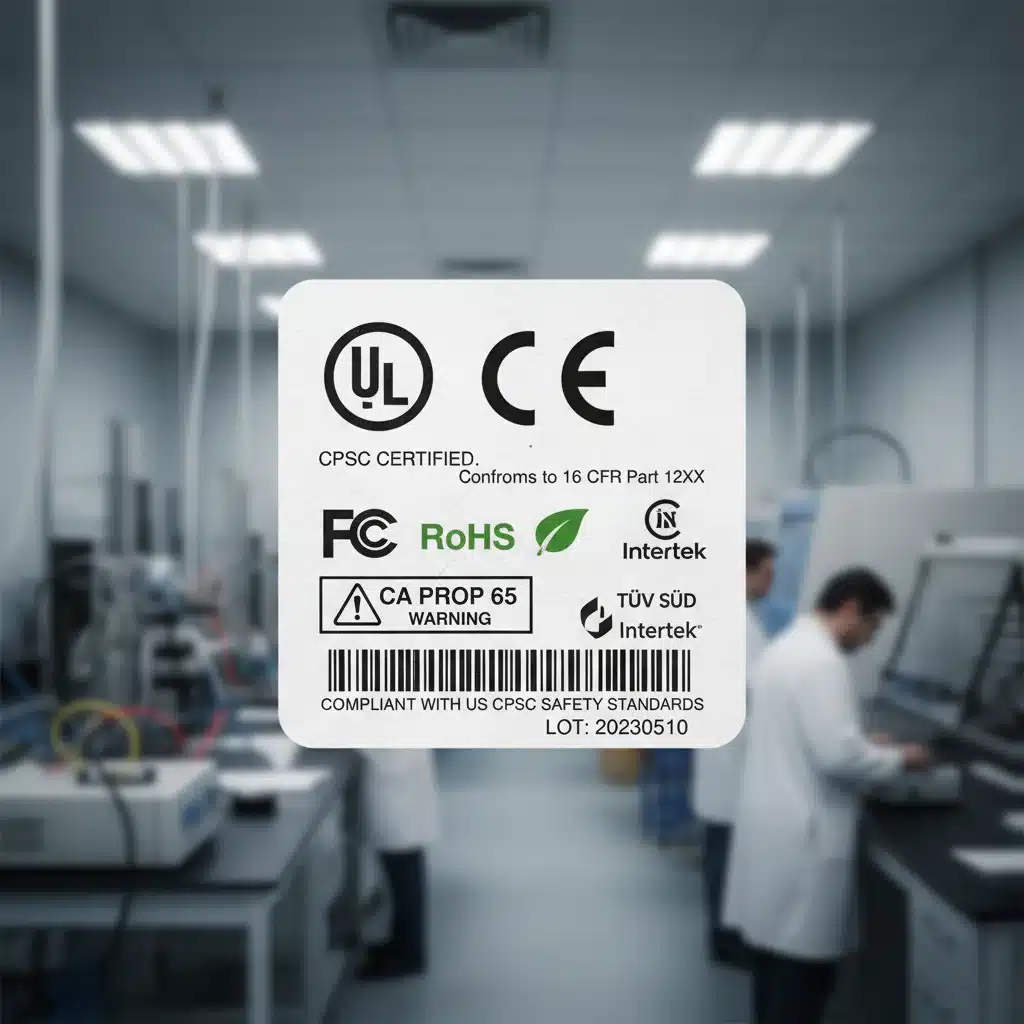
Retailers and importers will also face significant responsibilities. They will need to ensure that the products they sell or bring into the US market comply with all applicable CPSC regulations. This may involve implementing more stringent supplier vetting processes, demanding comprehensive compliance documentation, and potentially conducting their own product testing. The emphasis will be on due diligence and accountability throughout the supply chain.
The Role of Supply Chain Transparency
A key aspect of navigating the CPSC 2026 Safety Initiatives will be increased supply chain transparency. Businesses will need to have a clear understanding of where their components and finished products originate, the materials used, and the manufacturing conditions. This level of visibility is crucial for identifying potential hazards early in the product lifecycle and ensuring that all stages of production adhere to safety standards. Technologies such as blockchain could play an increasingly important role in providing verifiable and immutable records of product origins and compliance.
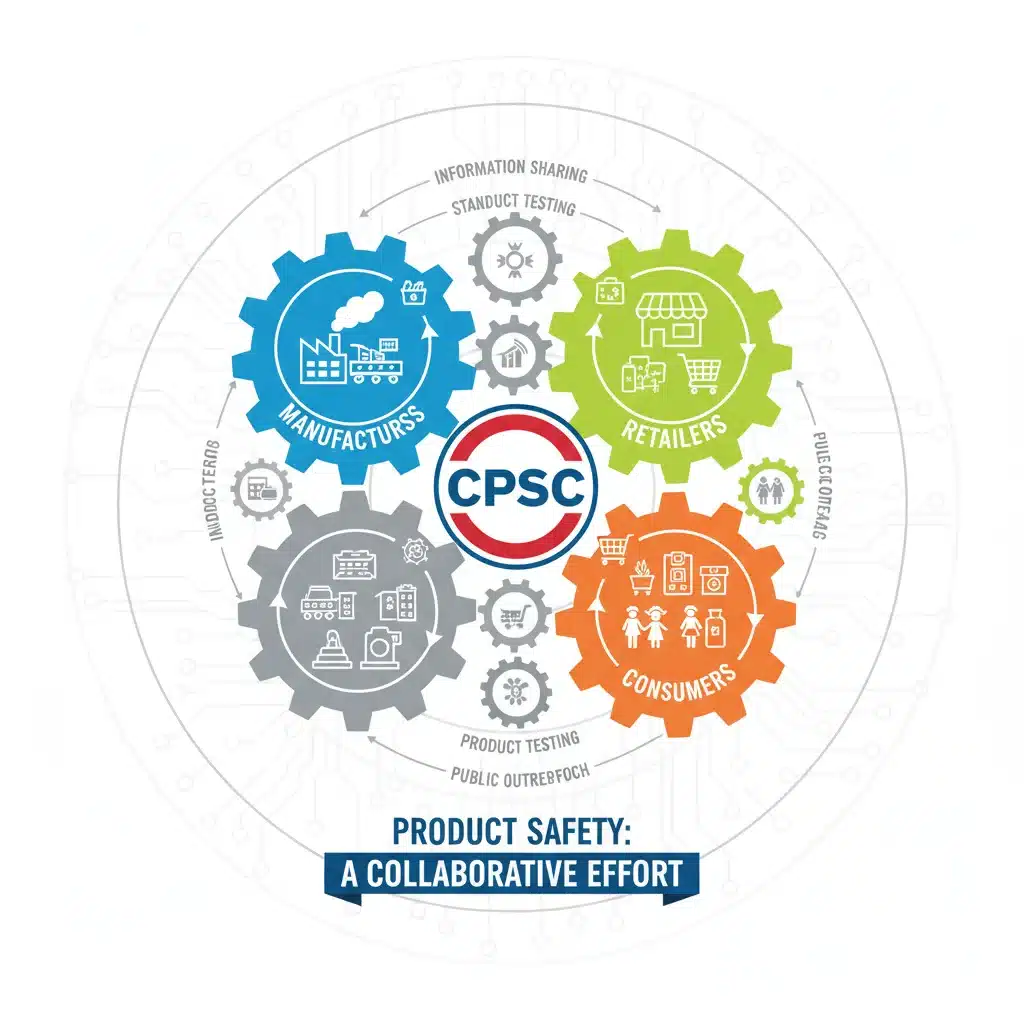
Furthermore, collaboration between different entities in the supply chain will become even more critical. Manufacturers, suppliers, and retailers will need to work together to share information, address compliance issues, and ensure a seamless flow of safe products to consumers. This collaborative approach will be essential in effectively protecting US shoppers from hazardous products.
Strategies for Businesses to Ensure Compliance
To successfully navigate the CPSC 2026 Safety Initiatives, businesses should adopt a proactive and systematic approach to compliance. Waiting until the last minute to address new regulations can lead to costly delays, product recalls, and reputational damage.
Stay Informed and Engage Early
The first step for any business is to stay informed about the evolving CPSC regulations. This involves regularly monitoring CPSC announcements, participating in public comment periods, and engaging with industry associations that track regulatory changes. Early engagement allows businesses to understand the proposed rules, provide feedback, and begin planning for compliance well in advance of their effective dates. Subscribing to CPSC newsletters and attending relevant webinars can be invaluable resources.
Understanding the nuances of each initiative is crucial. For example, if new chemical restrictions are introduced, businesses need to identify which of their products contain those chemicals, assess the availability of safer alternatives, and plan for reformulation or redesign if necessary. This proactive information gathering is a cornerstone of effective compliance management.
Conduct Internal Audits and Risk Assessments
Businesses should conduct thorough internal audits of their current product lines and manufacturing processes against the anticipated CPSC 2026 Safety Initiatives. This includes reviewing existing safety data, testing protocols, labeling practices, and recall procedures. A comprehensive risk assessment can help identify potential areas of non-compliance and prioritize corrective actions. This exercise also helps in understanding the gap between current practices and future requirements.
For example, if new testing standards for children’s toys are expected, a manufacturer should begin evaluating their existing toys against those proposed standards to identify any potential failures. This allows for adjustments to be made during the design or manufacturing phase, rather than facing costly recalls later. This diligent approach is essential for protecting US shoppers from hazardous products.
Invest in Testing and Quality Assurance
With potentially more stringent safety standards, investing in robust testing and quality assurance programs will be more important than ever. This may involve partnering with accredited third-party testing laboratories to ensure that products meet all CPSC requirements. Quality assurance should be integrated throughout the product lifecycle, from design and material sourcing to manufacturing and post-market surveillance.
For complex products, multiple rounds of testing may be necessary to ensure compliance with all applicable standards. This includes not only physical and mechanical safety but also chemical composition and electrical safety, where applicable. A strong commitment to quality assurance is a direct investment in consumer safety and regulatory compliance.
Employee Training and Culture of Safety
Compliance is not solely the responsibility of a single department; it requires a collective effort across the organization. Businesses should invest in training employees at all levels – from designers and engineers to production line workers and sales staff – on the importance of product safety and the specific requirements of the CPSC 2026 Safety Initiatives. Fostering a strong culture of safety within the company can significantly reduce the likelihood of non-compliant products entering the market.
This includes clear communication channels for reporting potential safety concerns, empowering employees to halt production if a safety issue is identified, and recognizing efforts to uphold safety standards. A well-informed and safety-conscious workforce is one of the most effective safeguards against hazardous products.
The Consumer’s Role in Product Safety
While the CPSC and businesses bear significant responsibility for product safety, consumers also play a vital role. Informed consumers are the best defense against hazardous products, and the CPSC 2026 Safety Initiatives indirectly empower them through better information and safer products.
Informed Purchasing Decisions
Consumers should actively seek out information about product safety before making a purchase. This includes reading product labels, checking for safety certifications, and researching product reviews. The CPSC provides valuable resources on its website, including product recall information and safety tips, which consumers should regularly consult. Understanding the safety features and potential risks of a product allows consumers to make more informed choices.
For example, when purchasing children’s products, consumers should look for age-appropriate recommendations, inspect for small parts that could pose a choking hazard, and ensure that products meet current safety standards. An educated consumer is a powerful force in encouraging manufacturers to prioritize safety.
Reporting Product Hazards
One of the most critical actions a consumer can take is to report any product-related hazards or incidents to the CPSC. The agency relies heavily on these reports to identify emerging dangers and initiate investigations. The CPSC’s online reporting portal makes it easy for consumers to submit information about unsafe products, contributing directly to the agency’s ability to protect the public. Every report, no matter how minor the incident, can be a piece of the puzzle that leads to a product recall or a new safety standard.
By actively participating in the safety ecosystem through reporting, consumers become partners with the CPSC in the mission to protect US shoppers from hazardous products. This collaborative effort strengthens the overall safety net for everyone.
Looking Ahead: The Future of Product Safety
The CPSC 2026 Safety Initiatives are not an endpoint but rather a significant milestone in the ongoing journey toward a safer marketplace. As technology advances and consumer needs evolve, the CPSC will continue to adapt its regulatory approach to meet new challenges. The focus will remain on proactive prevention, rapid response to hazards, and continuous improvement in product safety standards.
Technological Integration in Safety Measures
The future of product safety will likely see greater integration of technology, not just in product design but also in regulatory oversight. This could include using AI and machine learning to analyze vast datasets of incident reports, predictive analytics to identify potential hazards before they manifest, and advanced sensor technologies to monitor product performance in real-world conditions. The CPSC may also explore digital labeling and product registration systems that provide consumers with instant access to safety information and recall notifications.
For businesses, embracing these technological advancements can streamline compliance processes, enhance product safety testing, and improve overall risk management. The intersection of technology and regulation holds immense potential for creating an even safer environment for consumers.
Global Harmonization of Standards
Given the global nature of product supply chains, there is a growing need for greater harmonization of international safety standards. While the CPSC 2026 Safety Initiatives are specific to the US market, the CPSC actively collaborates with international regulatory bodies to share best practices and work towards common safety goals. Harmonized standards can reduce regulatory burdens for businesses operating across borders while maintaining high levels of consumer protection worldwide.
This collaboration is particularly important for products manufactured in one country and sold in many others. By aligning safety requirements, the global community can collectively work towards a future where product safety is a universal expectation, regardless of where a product is made or sold. This international cooperation is vital in the collective effort to protect US shoppers from hazardous products that may originate from anywhere in the world.
Conclusion
The CPSC 2026 Safety Initiatives represent a pivotal moment in the ongoing commitment to consumer product safety in the United States. These comprehensive measures, driven by data, stakeholder engagement, and a forward-looking perspective, are designed to significantly enhance the safety of products available to US shoppers. From stricter regulations for children’s products and emerging chemical hazards to improved recall processes and a focus on online marketplaces, these initiatives touch upon critical aspects of consumer protection.
For businesses, the coming changes demand proactive engagement, a thorough review of existing practices, and a commitment to continuous improvement in safety standards. While compliance may require investment and adaptation, it also offers an opportunity to build stronger brands, foster consumer trust, and contribute to a safer marketplace for everyone. For consumers, these initiatives promise greater peace of mind, knowing that robust protections are in place to safeguard their well-being and that of their families. By understanding and embracing the CPSC 2026 Safety Initiatives, all stakeholders can play a vital role in ensuring that the products we use every day are safe, reliable, and free from undue risk. The journey towards a safer future is a shared responsibility, and these initiatives mark a significant step forward.