Personal Finance Software 2026: Your Guide to Managing Money & Saving
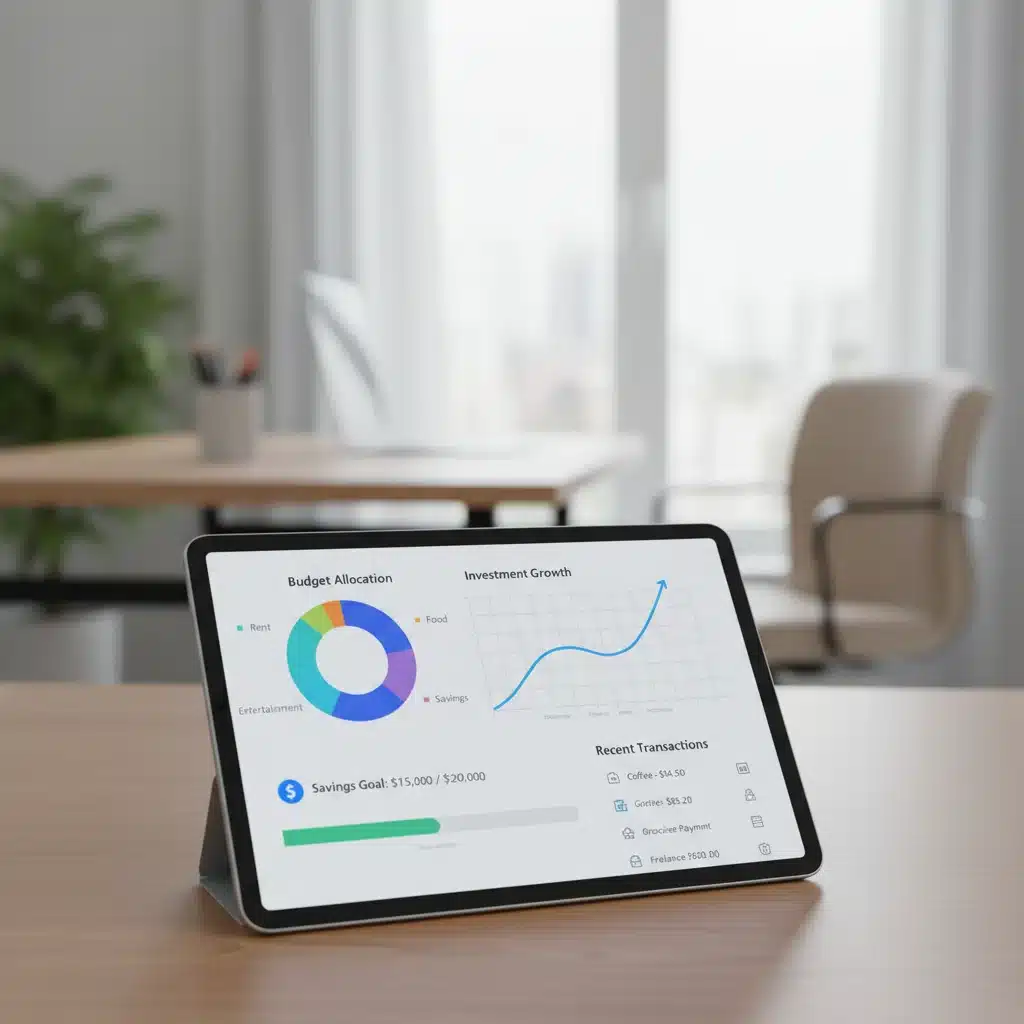
Personal Finance Software 2026: A Buyer’s Guide to Managing Your Money, Tracking Investments, and Saving an Extra $1,000 Annually
In an increasingly complex financial landscape, effective money management is no longer a luxury but a necessity. The year 2026 brings with it a new generation of personal finance software designed to empower individuals to take control of their financial destinies. From meticulous budgeting to sophisticated investment tracking and strategic debt reduction, these tools are engineered to help you not only understand where your money goes but also how to make it grow. This comprehensive buyer’s guide will navigate you through the best personal finance software available, highlighting features that can genuinely save you money, potentially upwards of $1,000 annually, and provide unparalleled peace of mind.
The promise of personal finance software extends beyond mere record-keeping. It’s about gaining insights into your spending habits, identifying areas for savings, optimizing your investment portfolio, and setting realistic financial goals. With the right software, you can transform abstract financial data into actionable strategies, paving the way for a more secure and prosperous future. Whether you’re a seasoned investor, a budding entrepreneur, or someone just starting their financial journey, understanding the capabilities of modern personal finance software is crucial.
Why Personal Finance Software is Indispensable in 2026
The digital age has revolutionized how we interact with our finances. Gone are the days of manual ledger entries and mountains of receipts. Today’s personal finance software offers automation, integration, and intelligence that were once unimaginable. But why is it more important than ever in 2026?
- Economic Volatility: Global economic shifts and inflation make careful budgeting and expense tracking critical. Software can help you adapt quickly to changing financial conditions.
- Complex Financial Products: The proliferation of diverse investment vehicles, cryptocurrencies, and digital banking services requires sophisticated tools to manage effectively.
- Time-Saving Automation: Automatic transaction categorization, bill reminders, and report generation free up valuable time, allowing you to focus on strategic financial planning rather than mundane tasks.
- Enhanced Security: Reputable personal finance software employs robust encryption and security protocols, often surpassing the security measures an individual might implement manually.
- Goal-Oriented Planning: From saving for a down payment to planning for retirement, these tools provide frameworks and progress trackers to keep you motivated and on track.
Ultimately, personal finance software acts as your personal financial assistant, offering a holistic view of your financial health and guiding you towards better decision-making. It’s an investment in your future, designed to yield significant returns in the form of saved money and reduced financial stress.
Key Features to Look for in Personal Finance Software
Choosing the right personal finance software can feel overwhelming given the myriad of options available. To simplify your decision, focus on these essential features that define a truly effective financial management tool:
1. Budgeting and Expense Tracking
At the core of any good personal finance software is its ability to help you create and stick to a budget. Look for features that allow for:
- Automatic Transaction Import: Connects directly to your bank accounts, credit cards, and other financial institutions to automatically import and categorize transactions.
- Customizable Budget Categories: The flexibility to create categories that match your spending habits, whether it’s ‘Groceries,’ ‘Entertainment,’ ‘Utilities,’ or ‘Pet Care.’
- Real-time Spending Alerts: Notifications when you’re approaching or exceeding budget limits in specific categories.
- Visual Reporting: Easy-to-understand charts and graphs that illustrate your spending patterns, highlighting where your money is going.
2. Investment Tracking and Portfolio Management
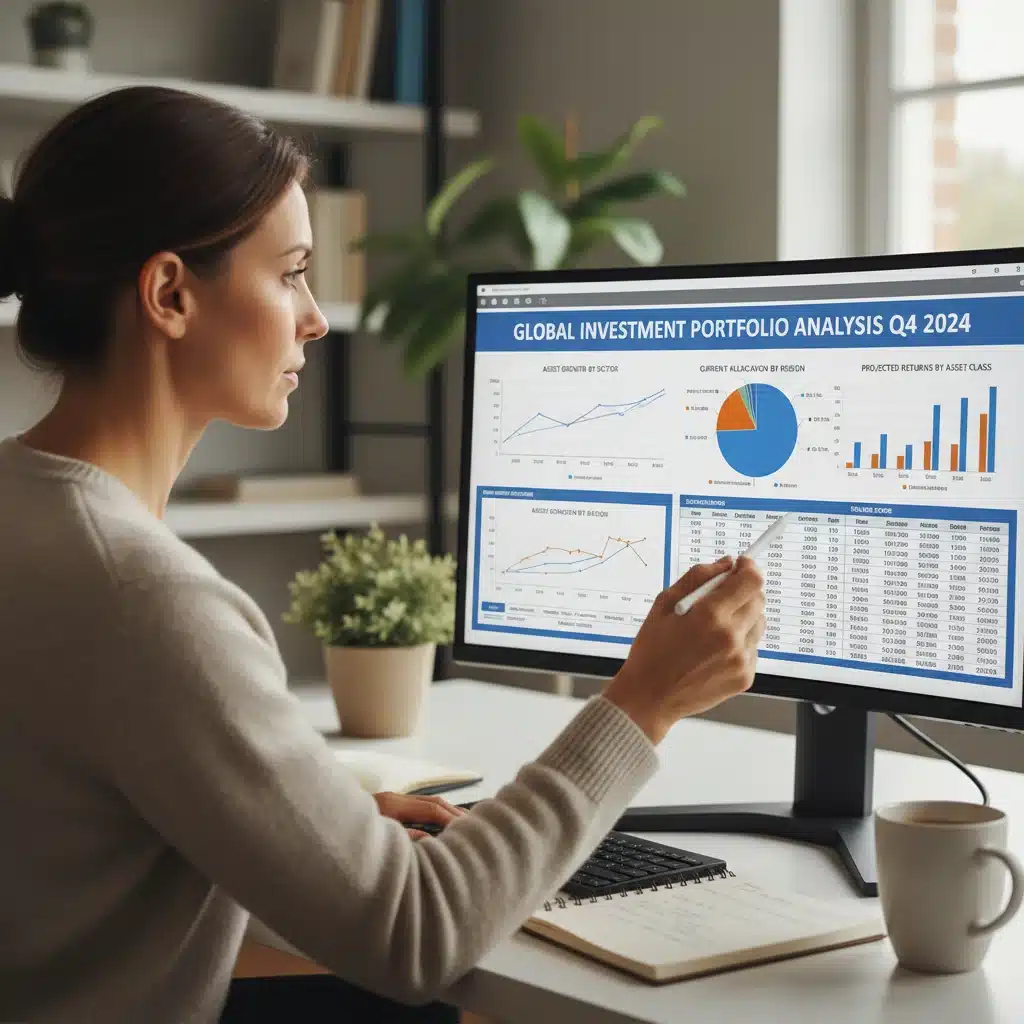
For those with investments, robust tracking capabilities are non-negotiable. The best personal finance software will offer:
- Integration with Brokerage Accounts: Seamlessly pulls data from your investment accounts (stocks, bonds, mutual funds, ETFs, cryptocurrencies).
- Performance Analysis: Tools to track the performance of individual investments and your overall portfolio, including gains, losses, and returns.
- Asset Allocation Insights: Helps you visualize your asset allocation and rebalance your portfolio as needed to align with your financial goals and risk tolerance.
- Tax-Loss Harvesting Tools: Some advanced software can identify opportunities for tax-loss harvesting to minimize your tax burden.
3. Debt Management and Reduction Tools
Managing debt is a critical component of financial health. Effective software will provide:
- Debt Payoff Calculators: Tools to model different debt payoff strategies (e.g., snowball or avalanche method) and visualize how quickly you can become debt-free.
- Interest Rate Tracking: Monitors interest rates on your loans and credit cards, helping you identify opportunities to refinance or consolidate.
- Payment Reminders: Ensures you never miss a payment, avoiding late fees and negative impacts on your credit score.
4. Goal Setting and Financial Planning
Whether it’s saving for a house, retirement, or a child’s education, software should support your aspirations:
- Customizable Financial Goals: Set specific, measurable, achievable, relevant, and time-bound (SMART) goals.
- Progress Tracking: Visualize your progress towards each goal, providing motivation and allowing for adjustments.
- Retirement Planning Calculators: Project your retirement savings and income, helping you plan for your golden years.
- What-If Scenarios: Simulate different financial decisions (e.g., increased savings, early retirement) to see their potential impact.
5. Reporting and Analytics
Understanding your financial situation requires clear and comprehensive reporting:
- Customizable Reports: Generate reports on spending, income, net worth, and investment performance over various periods.
- Cash Flow Analysis: Provides insights into the movement of money in and out of your accounts.
- Net Worth Tracking: Automatically calculates and tracks your net worth over time, a crucial metric for overall financial health.
6. Security and Privacy
Given the sensitive nature of financial data, security is paramount. Ensure the software offers:
- Bank-Level Encryption: 256-bit AES encryption or higher to protect your data.
- Multi-Factor Authentication (MFA): An extra layer of security for logging in.
- Robust Privacy Policies: Transparency about how your data is collected, used, and protected.
- Read-Only Access: Many platforms only have read-only access to your accounts, meaning they cannot move money.
Top Personal Finance Software Contenders for 2026
As we look towards 2026, several platforms stand out for their innovation, comprehensive features, and user-friendly interfaces. Here’s a look at some of the leading contenders:
Mint (Intuit)
Still a powerhouse in the free personal finance software space, Mint continues to evolve. In 2026, expect even more refined budgeting tools, improved investment tracking integrations, and potentially AI-driven insights into spending habits. Its strength lies in its ability to consolidate all your financial accounts in one place, offering a holistic view of your money. Mint is particularly good for beginners and those who want a free, yet powerful, solution for basic budgeting and net worth tracking.
- Pros: Free, excellent budgeting, bill tracking, credit score monitoring, user-friendly interface.
- Cons: Can have ads, limited investment analysis compared to paid alternatives, occasional syncing issues with some banks.
- Best For: Budgeting beginners, those seeking a free comprehensive overview of their finances.
Quicken
A long-standing veteran in the personal finance arena, Quicken remains a robust choice, especially for those with complex financial situations, including small businesses, rental properties, and extensive investment portfolios. Quicken’s desktop versions (now with cloud syncing) offer unparalleled depth in reporting, tax planning, and investment management. For 2026, expect continued enhancements in its investment analysis tools and perhaps more seamless integration with tax software.
- Pros: Powerful investment tracking, excellent for complex finances, robust reporting, desktop and web/mobile access.
- Cons: Subscription fee, steeper learning curve, interface can feel dated to some.
- Best For: Serious investors, small business owners, those with complex financial needs.
You Need A Budget (YNAB)
YNAB is not just software; it’s a philosophy. Its ‘zero-based budgeting’ approach encourages you to give every dollar a job, forcing you to be intentional with your spending. While it has a learning curve, users often report significant savings once they master its methodology. By 2026, YNAB will likely continue to refine its mobile experience and expand its educational resources to help users maximize their savings potential.
- Pros: Highly effective budgeting methodology, excellent customer support, strong community, mobile apps.
- Cons: Subscription fee, requires commitment to the methodology, not ideal for passive tracking.
- Best For: Individuals committed to active budgeting and debt reduction.
Personal Capital (now Empower Personal Dashboard)
Empower Personal Dashboard (formerly Personal Capital) excels at investment tracking and retirement planning. It offers a free dashboard that aggregates all your financial accounts, providing a detailed breakdown of your net worth, cash flow, and investment performance. For those with substantial assets, it also offers paid financial advisory services. In 2026, expect further integration of advanced financial planning tools and potentially more personalized investment advice powered by AI.
- Pros: Excellent investment analysis, retirement planning tools, free comprehensive dashboard, financial advisor access (paid).
- Cons: Focuses more on investments than day-to-day budgeting, advisory services are expensive.
- Best For: Investors, retirement planners, high-net-worth individuals.
PocketGuard
PocketGuard is designed for simplicity, focusing on helping you understand how much money you ‘have left to spend’ after accounting for bills, savings goals, and necessary expenses. It’s an excellent tool for those who find traditional budgeting overwhelming and prefer a more straightforward approach. Expect continuous improvements in its ‘in my pocket’ feature and more nuanced spending insights in 2026.
- Pros: Simple and intuitive, ‘in my pocket’ feature, helps prevent overspending, free basic version.
- Cons: Less robust reporting than other options, premium features require a subscription.
- Best For: Beginners, those looking for a simple way to manage daily spending.
Simplifi by Quicken
Simplifi is Quicken’s answer to modern, streamlined financial tracking. It offers a cleaner interface and focuses on mobile-first budgeting, spending insights, and subscription tracking. It’s a great middle-ground for users who want more than Mint but find Quicken too complex. In 2026, Simplifi will likely continue to expand its smart spending insights and personalized financial recommendations.
- Pros: Modern interface, strong spending insights, subscription tracking, good for mobile use.
- Cons: Subscription fee, less depth than full Quicken, still relatively new.
- Best For: Modern budgeters, those wanting intelligent spending analysis without Quicken’s complexity.
How Personal Finance Software Can Save You $1,000+ Annually
The initial cost of some premium personal finance software might seem like an expense, but the return on investment can be substantial. Here’s how these tools can put an extra $1,000 or more back into your pocket each year:
1. Identifying and Eliminating Unnecessary Spending
Most people underestimate how much they spend on non-essentials. Software with detailed expense tracking and visual reports can quickly highlight categories where you’re overspending. For example, you might discover you’re spending $50-$100 more than you realized on dining out or subscriptions. Cutting just $20-$30 a week from these areas can easily save you $1,000-$1,500 annually.
2. Avoiding Late Fees and Penalties
Missed bill payments can incur late fees (e.g., $30-$40 per missed credit card payment) and negatively impact your credit score. Many personal finance software solutions offer bill reminders and payment tracking, ensuring you never miss a due date. Even avoiding just one or two late fees a month can save you hundreds over a year.
3. Optimizing Subscriptions
The average person has numerous forgotten or underutilized subscriptions. Software that tracks recurring payments can help you identify and cancel services you no longer need. Canceling just two or three unused subscriptions (e.g., streaming services, apps, gym memberships) that cost $10-$20 each per month can save you $240-$720 annually.
4. Better Investment Decisions
For investors, the insights gained from portfolio tracking can lead to more informed decisions, such as rebalancing, tax-loss harvesting, or identifying underperforming assets. Avoiding costly mistakes or making smarter moves can easily translate into hundreds, if not thousands, of dollars in improved returns or reduced taxes.
5. Reducing Debt Interest
By providing clear strategies for debt reduction (e.g., the snowball or avalanche method), software can help you pay off high-interest debt faster, saving you significantly on interest payments. Accelerating a credit card payoff by even a few months can save hundreds in interest over the life of the loan.
6. Finding Better Deals
Some advanced software might offer features that compare insurance rates, identify better banking products, or even suggest ways to lower utility bills based on your spending patterns. These small adjustments can add up to substantial savings.

Future Trends in Personal Finance Software for 2026 and Beyond
The evolution of personal finance software is continuous. Here are some trends to watch for in 2026 and the coming years:
- Hyper-Personalized AI Insights: Expect more sophisticated AI that not only categorizes transactions but offers proactive, personalized advice based on your unique financial situation, goals, and even behavioral patterns.
- Open Banking and API Integrations: Greater standardization of open banking APIs will lead to even more seamless and secure data sharing between financial institutions and personal finance apps, enhancing functionality and reliability.
- Gamification of Savings: To make financial management more engaging, expect more apps to incorporate gamified elements, challenges, and rewards for reaching financial milestones.
- ESG (Environmental, Social, Governance) Investing Tools: As socially conscious investing grows, software will offer more robust tools to track and manage investments based on ESG criteria.
- Real-time Financial Coaching: Some platforms may integrate AI-powered chatbots or even human financial coaches for real-time guidance and support.
- Enhanced Cryptocurrency Integration: As digital assets become more mainstream, expect better tracking, reporting, and management tools for cryptocurrencies and NFTs within traditional personal finance platforms.
- Predictive Analytics for Cash Flow: Software will become better at predicting future cash flow based on historical data and upcoming bills, helping users anticipate potential shortfalls or surpluses.
Choosing the Right Personal Finance Software for You
The ‘best’ personal finance software isn’t a one-size-fits-all answer. It depends entirely on your individual needs, financial complexity, and comfort level with technology. Consider the following when making your choice:
- Assess Your Needs: Are you primarily focused on budgeting, investment tracking, debt reduction, or a combination?
- Consider Your Budget: Are you looking for a free solution, or are you willing to pay a subscription for advanced features?
- Ease of Use: Do you prefer a simple, intuitive interface, or are you comfortable with more complex, feature-rich platforms?
- Security Concerns: Ensure the software meets your security and privacy expectations.
- Integration Capabilities: Does it connect with all your necessary bank accounts, credit cards, and investment platforms?
- Customer Support: What kind of support is available if you run into issues?
Many platforms offer free trials, which are an excellent way to test the waters before committing. Take advantage of these to see which interface and features resonate most with your financial style.
Conclusion: Empower Your Financial Future with Personal Finance Software
In 2026, personal finance software stands as a powerful ally in your quest for financial stability and growth. By leveraging these intelligent tools, you gain clarity, control, and the ability to make informed decisions that can significantly impact your bottom line. Whether you aim to save for a major purchase, eliminate debt, grow your investments, or simply understand where your money is going, there’s a software solution tailored for you.
Embrace the technological advancements in financial management. Invest the time to explore the options, choose the platform that aligns with your goals, and commit to consistent use. The potential to save an extra $1,000 or more annually, coupled with the invaluable peace of mind that comes from being in control of your finances, makes personal finance software an indispensable tool for anyone looking to build a more secure and prosperous future. Start your journey today and transform your financial habits for the better.