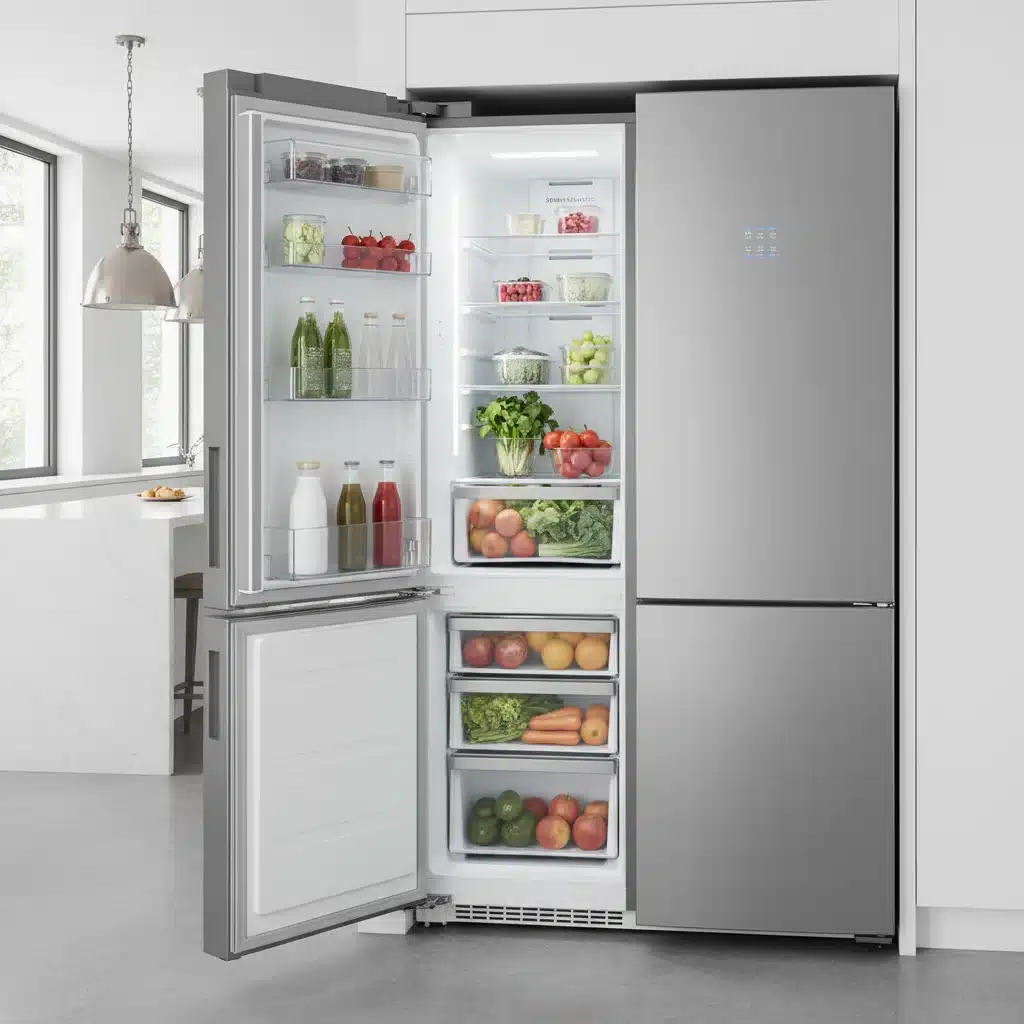
Buying a New Refrigerator in 2026: What Features Offer the Best Value, Energy Savings (Avg. $50/Year), and Longevity for Your Home
Choosing a new refrigerator is more than just picking a box that keeps food cold. In 2026, the market is brimming with innovative technologies, sleek designs, and an increasing focus on energy efficiency and sustainability. For many homeowners, a refrigerator is one of the most significant kitchen investments, second only to the range. It’s an appliance that runs 24/7, making its energy consumption a critical factor. This comprehensive refrigerator buying guide will navigate you through the myriad options, helping you make an informed decision that balances features, value, energy savings, and long-term durability.
We’ll delve into the latest trends, break down the jargon, and provide actionable advice to ensure your new refrigerator not only meets your immediate needs but also serves your household efficiently for years to come. From understanding the true cost of ownership to identifying must-have features, prepare to become a refrigerator expert.
Understanding the True Cost: Beyond the Sticker Price
When you embark on your refrigerator buying guide journey, it’s easy to focus solely on the initial purchase price. However, the true cost of a refrigerator extends far beyond what you pay at the checkout. This ‘total cost of ownership’ includes the purchase price, delivery and installation fees, potential extended warranty costs, and, crucially, the ongoing energy consumption. Given that refrigerators operate continuously, their energy efficiency can significantly impact your utility bills over their lifespan, which typically ranges from 10 to 17 years.
Modern refrigerators are significantly more energy-efficient than models from even a decade ago. According to the U.S. Department of Energy, new refrigerators use about 25% less energy than models from 2001. This translates to tangible savings. On average, upgrading to an Energy Star certified refrigerator can save you approximately $50 per year on electricity bills. While this might seem modest annually, over a decade, it amounts to $500 – a substantial return on investment that often offsets a portion of the higher upfront cost of more efficient models. Factoring in these long-term savings is a cornerstone of smart appliance purchasing.
Key Considerations Before You Buy: A 2026 Checklist
Before you even step into a showroom or browse online, a bit of preparation can streamline your decision-making process. This checklist, crucial for any thorough refrigerator buying guide, will help you narrow down your options efficiently.
- Space and Dimensions: Measure, measure, measure! Not just the space where the refrigerator will sit, but also the doorways, hallways, and any tight corners it will need to navigate during delivery. Don’t forget to account for door swing clearance.
- Capacity Needs: A general rule of thumb is 4-6 cubic feet per adult in the household, plus an additional 2-3 cubic feet for each child. Consider your family size, entertaining habits, and how often you shop for groceries.
- Budget: Establish a realistic budget that includes the purchase price, delivery, installation, and potential removal of your old unit. Remember the long-term energy savings when setting your budget.
- Style and Finish: Stainless steel remains popular, but black stainless, matte finishes, and custom panel-ready options are gaining traction. Consider how the refrigerator will integrate with your existing kitchen aesthetic.
- Layout and Door Configuration: Side-by-side, French door, top-freezer, bottom-freezer, and counter-depth are the main types. Each has pros and cons regarding accessibility, storage organization, and space utilization.
- Energy Efficiency: Look for the Energy Star label. This is a non-negotiable for maximizing those $50/year savings.
- Smart Features: Decide if smart connectivity, internal cameras, touchscreens, or voice assistants are genuinely useful for your lifestyle or just a novelty.
Refrigerator Styles and Configurations: Finding Your Perfect Match
The layout of your refrigerator significantly impacts its functionality and how it fits into your kitchen workflow. Understanding the different styles is a vital part of any effective refrigerator buying guide.
1. Top-Freezer Refrigerators
These are the most traditional and often the most budget-friendly option. The freezer compartment is located above the refrigerator. They typically offer excellent storage capacity for their footprint and are known for their reliability. However, they require more bending to access fresh food items.
2. Bottom-Freezer Refrigerators
With the freezer below the fresh food compartment, these models offer easier access to refrigerated items, which are used more frequently. The freezer often comes as a pull-out drawer, which can be convenient for organizing frozen goods. They tend to be slightly more expensive than top-freezer models but offer better ergonomics.
3. Side-by-Side Refrigerators
Featuring two full-length doors that open from the center, one for the freezer and one for the refrigerator, side-by-side models offer easy access to both fresh and frozen foods without much bending. They are excellent for narrow kitchens as the doors don’t swing out as wide. However, their tall, narrow compartments can make storing wide items (like pizza boxes) challenging.
4. French Door Refrigerators
Currently the most popular style, French door refrigerators combine the best features of bottom-freezer and side-by-side models. They have two refrigerator doors on top, opening to a wide fresh food compartment, and a freezer drawer below. This configuration offers ample space for wide items and keeps fresh food at eye level. Many also include a separate middle drawer for deli items, produce, or beverages. They are generally the most expensive but offer superior organization and aesthetic appeal, making them a top consideration in any refrigerator buying guide.
5. Counter-Depth Refrigerators
Designed to align with standard kitchen counters (typically 24-25 inches deep), counter-depth refrigerators offer a built-in look without the custom cabinetry cost. While they sacrifice some internal capacity compared to standard-depth models, their flush design creates a seamless and spacious feel in the kitchen. This aesthetic appeal is often a trade-off for a slightly higher price point and reduced interior volume.
Energy Efficiency: Saving $50/Year and Beyond
Energy efficiency isn’t just a buzzword; it’s a critical component of smart home economics and environmental responsibility. As mentioned, an Energy Star certified refrigerator can save you an average of $50 per year on your electricity bill compared to older, less efficient models. This statistic alone should place energy efficiency high on your priority list when consulting any refrigerator buying guide.
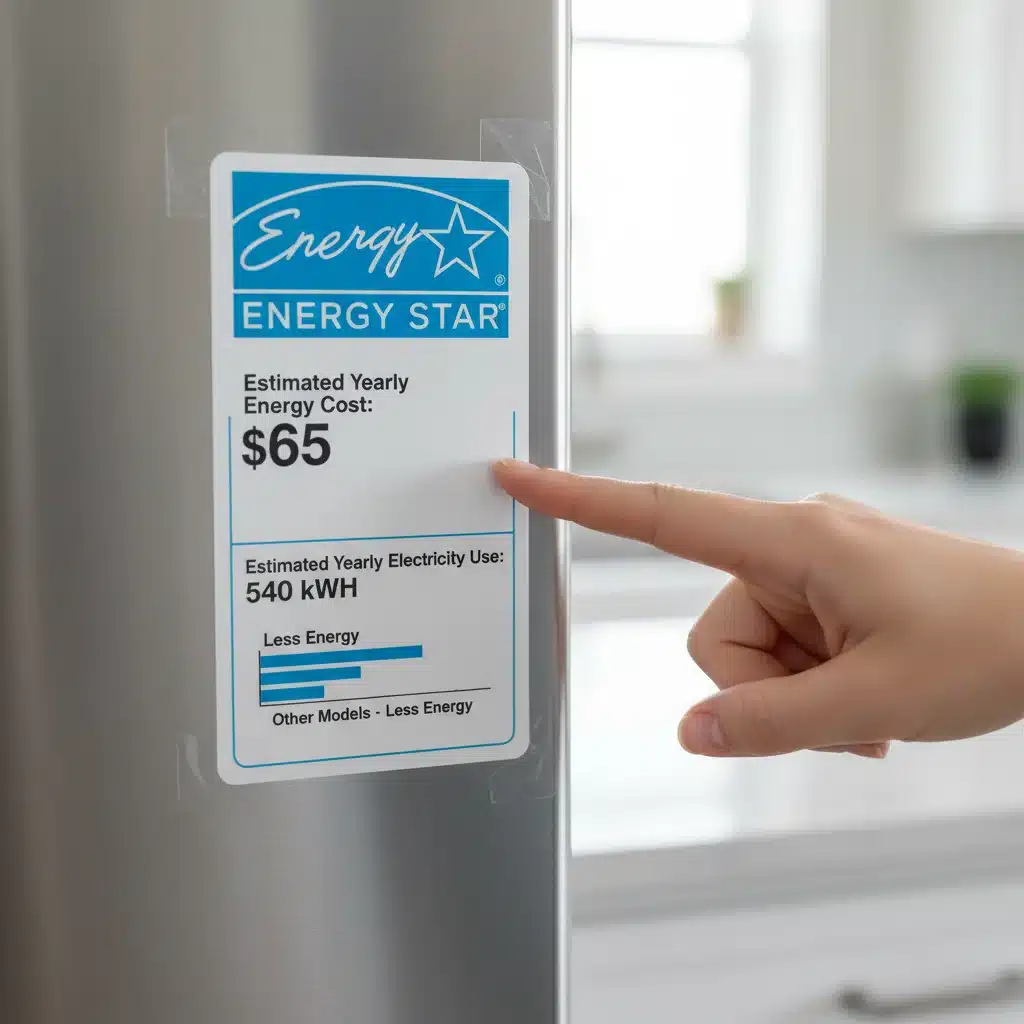
The Energy Star program, backed by the EPA and Department of Energy, identifies products that meet strict energy efficiency guidelines. When shopping, always look for the bright yellow EnergyGuide label. This label provides crucial information:
- Estimated Annual Energy Consumption: Measured in kilowatt-hours (kWh) per year. Lower numbers mean lower operating costs.
- Estimated Annual Operating Cost: Based on the national average electricity rate. This gives you a clear financial picture.
- Comparison Range: Shows the energy usage range for similar models, allowing you to see how the specific unit stacks up against its competitors.
Beyond the Energy Star label, consider features that contribute to energy savings:
- Advanced Insulation: Better insulation means less cold air escapes, and the compressor works less frequently.
- LED Lighting: Uses significantly less energy and generates less heat than traditional incandescent bulbs, further reducing the workload on the cooling system.
- Variable Speed Compressors: Instead of cycling on and off at full power, these compressors can adjust their speed to maintain a consistent temperature, leading to more efficient operation.
- Door-in-Door Features: Allows access to frequently used items without opening the main refrigerator door, minimizing cold air loss.
- Precise Temperature Controls: Digital controls that maintain a more stable internal temperature reduce energy waste from fluctuations.
Choosing an energy-efficient model is not just about the initial purchase; it’s a long-term investment that pays dividends in lower utility bills and a reduced carbon footprint. It’s a key takeaway from any reputable refrigerator buying guide.
Innovative Features Offering the Best Value in 2026
The refrigerator market is constantly evolving, with manufacturers introducing new features designed to enhance convenience, food preservation, and overall user experience. While some features are luxury additions, others offer genuine value that can improve your daily life and food longevity. Here’s what to look for in your 2026 refrigerator buying guide:
1. Advanced Food Preservation Systems
Modern refrigerators go beyond just keeping food cold. Look for:
- Multiple Evaporators: Separate cooling systems for the refrigerator and freezer prevent air transfer, keeping humidity levels optimal in each section and preventing freezer burn.
- Humidity-Controlled Crispers: These drawers allow you to adjust humidity levels to keep fruits and vegetables fresh for longer.
- Temperature-Controlled Drawers: Often found in French door models, these drawers can be set to different temperatures for specific items like deli meats, beverages, or thawing foods.
- Air Filtration Systems: Activated carbon filters help remove odors and keep the air inside fresh, preventing food contamination.
2. Smart Refrigerator Technology
Smart refrigerators are becoming more integrated into the connected home. While not essential for everyone, certain smart features offer genuine value:
- Internal Cameras: Allows you to view the contents of your fridge remotely via a smartphone app, perfect for checking what you need while at the grocery store.
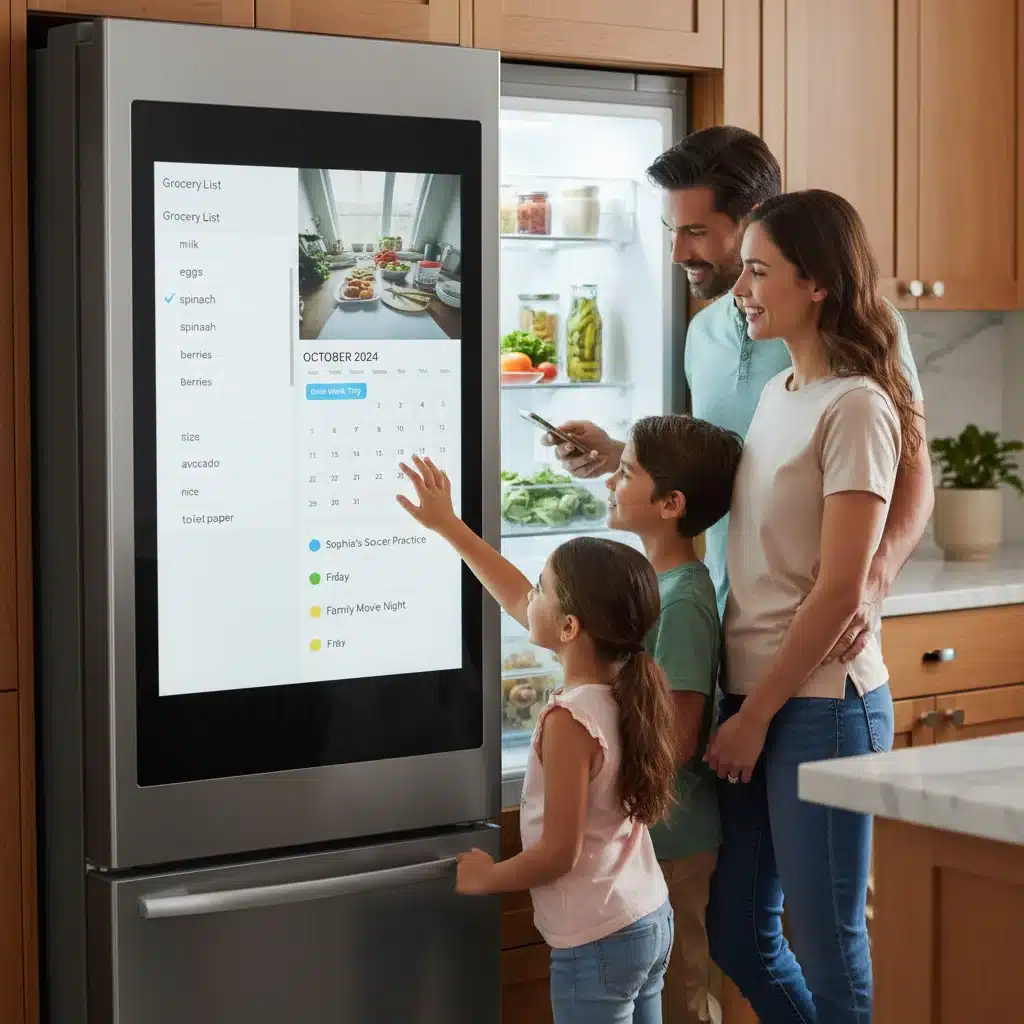
- Touchscreen Displays: Some models feature large screens that can display recipes, calendars, grocery lists, and even stream music or TV.
- Voice Assistant Integration: Control your fridge, set timers, or add items to your shopping list using voice commands.
- Smart Diagnostics: Some models can self-diagnose issues and send alerts to your smartphone or directly to customer service, streamlining repairs.
3. Flexible Storage Solutions
Manufacturers are focusing on maximizing usable space and adaptability:
- Adjustable and Spill-Proof Shelves: Shelves that can be easily moved or reconfigured to accommodate tall items, and those with raised edges to contain spills.
- Modular Door Bins: Bins that can be repositioned or removed for customized storage.
- Convertible Zones: Some models offer a compartment that can switch between refrigerator and freezer modes, providing ultimate flexibility.
- Built-in Water and Ice Dispensers: While common, look for features like filtered water, crushed ice, and even craft ice makers (e.g., spherical ice) for added luxury and convenience.
When evaluating these features, consider your lifestyle. Do you entertain often? Do you cook a lot? Do you find yourself constantly forgetting what you need at the store? The answers will guide you to the features that offer the best value for your home.
Ensuring Longevity: Tips for a Refrigerator That Lasts
A refrigerator is a significant investment, and maximizing its lifespan is key to getting the best value. While manufacturing quality plays a huge role, proper installation, maintenance, and usage can significantly extend your appliance’s life. This section of our refrigerator buying guide focuses on ensuring durability.
1. Brand Reputation and Warranty
Research brands known for reliability and customer service. Online reviews and consumer reports can be invaluable resources. Also, pay close attention to the warranty. A standard warranty usually covers parts and labor for one year, but some manufacturers offer longer warranties on sealed systems (compressor, evaporator, condenser, tubing) – sometimes up to five or ten years. Consider if an extended warranty is worthwhile based on the brand’s reputation and your comfort level with potential repair costs.
2. Proper Installation
Incorrect installation can lead to premature wear and tear. Ensure:
- Adequate Ventilation: Refrigerators need proper airflow around their coils (usually at the back or bottom) to dissipate heat efficiently. Follow manufacturer recommendations for clearance from walls and cabinets.
- Leveling: The refrigerator must be level to ensure proper door sealing and efficient operation of internal components.
- Water Line Connection: If you have an ice maker or water dispenser, ensure the water line is properly installed and free of leaks to prevent water damage and ensure clean water.
3. Regular Maintenance
A little preventative maintenance goes a long way:
- Clean Condenser Coils: Dust and pet hair can accumulate on the condenser coils, forcing the compressor to work harder and consume more energy. Clean them at least once or twice a year with a vacuum cleaner or brush.
- Check Door Gaskets: Inspect door seals regularly for cracks or tears. A faulty gasket allows cold air to escape, making the refrigerator work harder. Clean them with mild soap and water to ensure a tight seal.
- Change Water Filters: If your model has a water dispenser or ice maker, change the water filter every six months as recommended by the manufacturer.
- Keep it Stocked (But Not Overpacked): A moderately full refrigerator helps maintain stable temperatures. However, overpacking can restrict airflow, making the unit less efficient.
- Set Optimal Temperatures: The ideal temperature for the refrigerator is 35-38°F (1.7-3.3°C), and for the freezer, it’s 0°F (-18°C).
By following these guidelines, you can significantly prolong the life of your new refrigerator, ensuring it provides reliable service and energy savings for many years, truly maximizing the investment identified in this refrigerator buying guide.
The Environmental Impact: Beyond Energy Savings
While the financial savings from energy efficiency are a strong motivator, it’s also important to consider the broader environmental impact of your refrigerator choice. This aspect is increasingly important in any modern refrigerator buying guide.
Manufacturing a refrigerator requires significant resources and energy. Opting for a durable model with a long lifespan reduces the frequency of replacements, thereby lessening the demand for new production and the associated environmental footprint. Furthermore, responsible disposal of old appliances is crucial. Many retailers offer haul-away services, and some utility companies have programs that incentivize the recycling of old, inefficient refrigerators, ensuring that refrigerants (which are potent greenhouse gases) are properly contained and materials are recycled.
Some manufacturers are also exploring more sustainable refrigerants and manufacturing processes. While harder to assess as a consumer, supporting brands with a demonstrated commitment to environmental stewardship can contribute to a greener future.
Making Your Final Decision: A Summary of the Refrigerator Buying Guide
Navigating the vast landscape of refrigerator options can feel overwhelming, but by following this refrigerator buying guide, you’re now equipped with the knowledge to make an intelligent and satisfying purchase. Remember to prioritize:
- Measurements: Ensure the refrigerator fits your space and can be delivered easily.
- Capacity: Match the internal volume to your household’s needs.
- Energy Efficiency: Look for the Energy Star label to realize average savings of $50/year and reduce your environmental impact.
- Configuration: Choose a style (French door, side-by-side, etc.) that suits your kitchen layout and usage preferences.
- Value-Adding Features: Identify food preservation technologies and smart features that genuinely enhance your daily life.
- Longevity: Select reputable brands, understand warranties, and commit to regular maintenance to extend your appliance’s life.
Don’t rush the decision. Read reviews, compare models, and if possible, see the refrigerators in person to get a feel for their interior layout and build quality. A new refrigerator is a long-term commitment to your kitchen and your household’s efficiency. By focusing on value, energy savings, and longevity, you’ll choose an appliance that not only keeps your food fresh but also contributes positively to your home’s budget and the planet for many years to come.
Happy shopping, and enjoy your perfectly chilled new investment!