2026 Energy-Efficient Appliance Guide: Save 15% on Utility Bills Annually
The year 2026 is upon us, and with it comes a fresh wave of innovation in home appliances. As energy costs continue to fluctuate and environmental consciousness grows, investing in energy-efficient appliances 2026 is no longer just a trend; it’s a smart financial and ecological decision. This comprehensive guide will walk you through the latest advancements, help you understand the benefits, and show you how to choose the best appliances to save a significant 15% or more on your annual utility bills.
Imagine a world where your home runs smoothly, your carbon footprint is minimized, and your wallet feels a little heavier each month. This isn’t a distant dream; it’s the reality that awaits you with the right energy-efficient choices. From smart refrigerators that manage your groceries to advanced HVAC systems that precisely control your climate, the technology available today is designed to make your life easier and more sustainable.
Why Invest in Energy-Efficient Appliances in 2026?
The primary motivator for many homeowners is, understandably, cost savings. Utility bills can be a significant drain on household budgets, and inefficient appliances are often the culprits. However, the benefits extend far beyond monetary savings. Here’s a closer look at why investing in energy-efficient appliances 2026 is a wise move:
Significant Utility Bill Reductions
Older appliances, especially those more than a decade old, can consume an astonishing amount of energy. Upgrading to modern, energy-efficient models can lead to substantial savings. For instance, an old refrigerator might use twice as much electricity as a new Energy Star certified model. Over the lifespan of these appliances, these savings compound, easily reaching the promised 15% or more on annual utility bills.
Reduced Environmental Impact
Every kilowatt-hour of electricity saved means less demand on power plants, which often rely on fossil fuels. By choosing energy-efficient options, you’re directly contributing to a reduction in greenhouse gas emissions and helping combat climate change. This makes your home not just more economical, but also more environmentally responsible.
Enhanced Performance and Features
Modern energy-efficient appliances aren’t just about saving power; they also come packed with advanced features designed to improve convenience, performance, and longevity. Smart technologies, precise temperature controls, quieter operations, and innovative designs are all hallmarks of today’s leading energy-efficient models. You’ll often find that these appliances offer a better user experience overall.
Increased Home Value
For potential homebuyers, a home equipped with modern, energy-efficient appliances is a significant selling point. It signals lower running costs, a commitment to sustainability, and fewer immediate upgrade needs. This can increase your home’s market value and appeal, making it a sound long-term investment.
Government Incentives and Rebates
Many governments and local utility companies offer incentives, tax credits, and rebates for purchasing Energy Star certified or other high-efficiency appliances. These programs are designed to encourage consumers to make greener choices and can significantly offset the initial purchase cost, making the transition even more affordable. Always check with your local authorities and utility providers for current programs in your area.
Understanding Energy Efficiency Ratings and Labels
Navigating the world of energy-efficient appliances can sometimes feel overwhelming with all the different labels and ratings. Knowing what to look for is crucial to making informed decisions.
Energy Star Certification
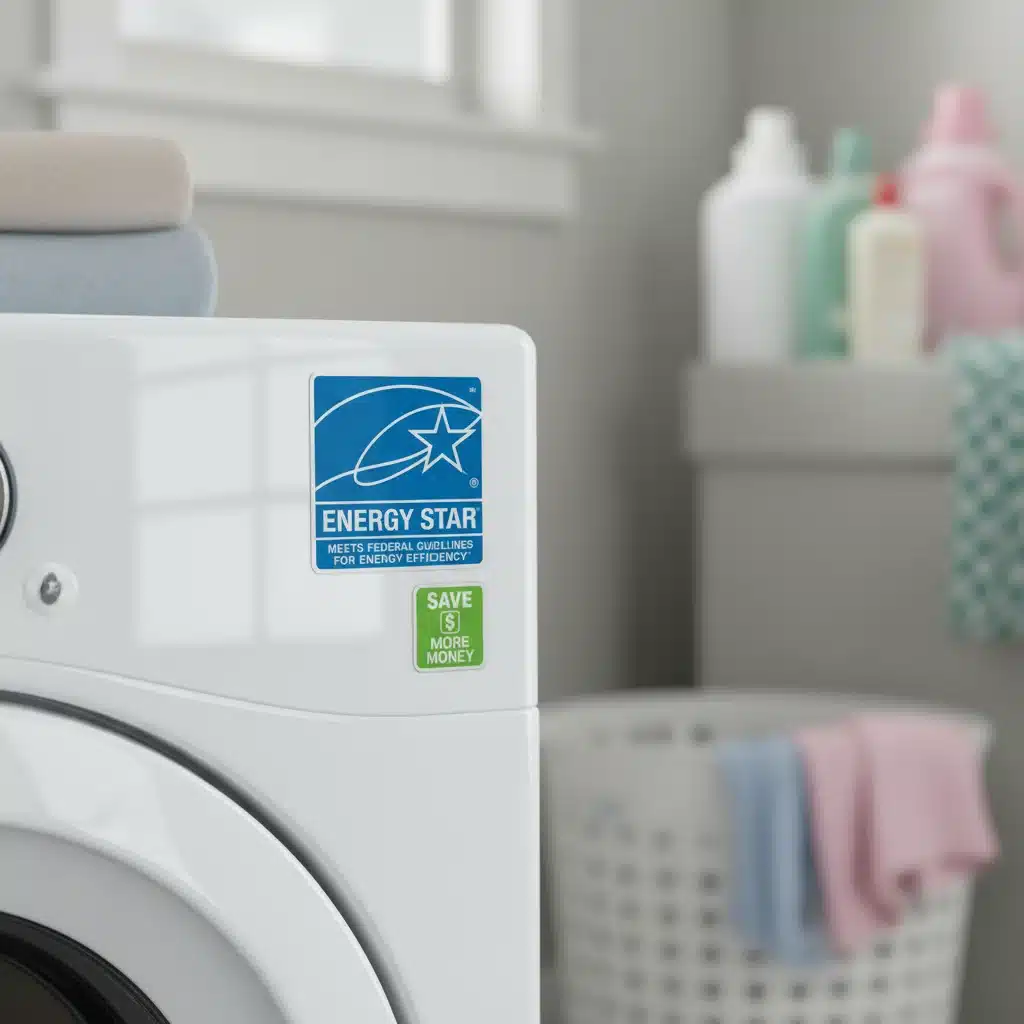
The Energy Star label is perhaps the most recognizable symbol of energy efficiency in North America. Products bearing this label meet strict energy efficiency guidelines set by the U.S. Environmental Protection Agency (EPA) and the U.S. Department of Energy (DOE). When you see an Energy Star label on an appliance, you can be confident that it will consume less energy than conventional models, leading to lower utility bills and reduced greenhouse gas emissions. The criteria for Energy Star are updated regularly, ensuring that the certification always represents cutting-edge efficiency.
EnergyGuide Labels
Beyond the Energy Star label, most major appliances in the U.S. and Canada also feature an EnergyGuide label. This bright yellow label provides estimated annual energy consumption and operating costs, allowing for direct comparison between models. It also shows a range of similar models’ energy use, helping you understand where a particular appliance stands in terms of efficiency. Pay close attention to the estimated annual operating cost – this is a strong indicator of long-term savings.
Seasonal Energy Efficiency Ratio (SEER) and Heating Seasonal Performance Factor (HSPF)
For heating and cooling systems like air conditioners and heat pumps, you’ll encounter SEER and HSPF ratings. A higher SEER rating indicates a more energy-efficient air conditioner, while a higher HSPF rating signifies a more efficient heat pump. These metrics are crucial for understanding the operational efficiency of your HVAC system, which can be one of the largest energy consumers in your home.
Integrated Modified Energy Factor (IMEF) and Integrated Water Factor (IWF)
When it comes to washing machines, IMEF and IWF are key indicators. IMEF measures the energy efficiency, taking into account the energy used for washing, rinsing, and drying. IWF measures water efficiency. Higher IMEF and lower IWF values indicate more efficient washing machines that save both energy and water.
Top Energy-Efficient Appliances for Your Home in 2026
Now, let’s dive into the specific appliance categories and what to look for in 2026 to maximize your savings and efficiency. We’ll highlight the latest trends and essential features for each.
Refrigerators and Freezers: Smart Cooling for Smarter Savings
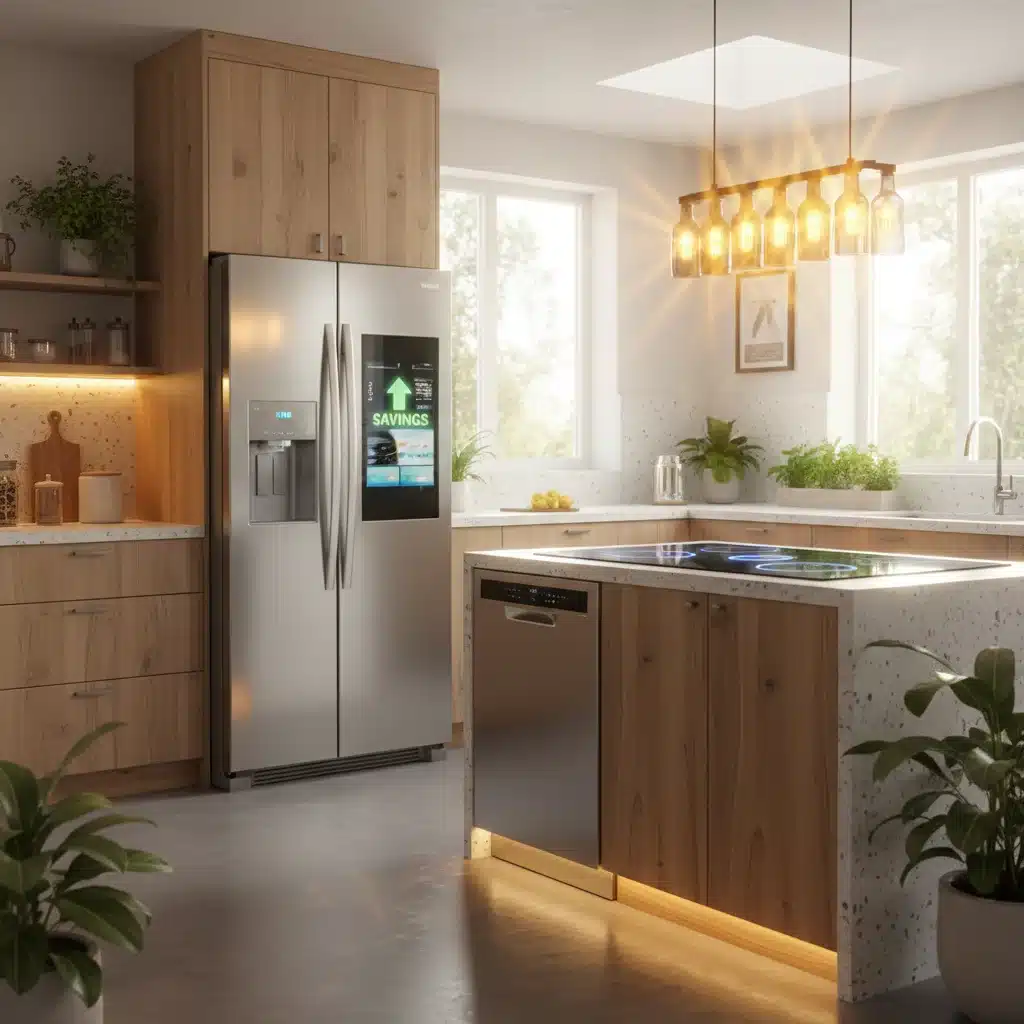
Refrigerators run 24/7, making them significant energy consumers. Modern energy-efficient appliances 2026 in this category boast impressive innovations:
- Linear Compressors: These advanced compressors adjust their cooling capacity based on demand, leading to more stable temperatures and significant energy savings compared to traditional on/off compressors.
- Advanced Insulation: Thinner, more effective insulation allows for greater internal capacity without increasing external dimensions, all while maintaining optimal temperatures with less energy.
- Smart Features: Look for models with smart diagnostics, door-ajar alarms, and even internal cameras that let you see what’s inside without opening the door, preventing cold air loss. Some even suggest recipes based on available ingredients!
- Bottom-Freezer and French Door Models: These configurations are often more energy-efficient than top-freezer models because the most frequently accessed compartment (the refrigerator) is at eye level, reducing the time the door is open.
- Energy Star Certification: Always prioritize Energy Star certified models. In 2026, these models are expected to be at least 15-20% more efficient than the minimum federal standard.
Washing Machines and Dryers: Revolutionizing Laundry Day
Laundry appliances have come a long way in terms of efficiency, especially front-loading washers and heat pump dryers.
Washing Machines:
- Front-Loaders: These are generally more energy and water-efficient than top-loaders with agitators. They use less water because they tumble clothes through a small amount of water, rather than submerging them.
- High-Efficiency (HE) Top-Loaders: If you prefer a top-loader, choose an HE model without an agitator. These also use less water and spin clothes at higher speeds, extracting more water and reducing drying time.
- Steam Functions: Some models offer steam cycles that can sanitize clothes and reduce wrinkles, potentially minimizing the need for dry cleaning or extensive ironing.
- Load Sensing: Automatic load sensing adjusts water levels and wash cycles to the size of the load, preventing water and energy waste.
Dryers:
- Heat Pump Dryers: These are the gold standard for energy efficiency. Instead of venting hot, moist air outside, they recycle it through a heat pump to remove moisture, consuming significantly less energy than conventional electric dryers. They can be more expensive upfront but offer substantial long-term savings.
- Moisture Sensors: Essential for any efficient dryer, moisture sensors automatically shut off the dryer once clothes are dry, preventing over-drying and saving energy.
- Ventless Condenser Dryers: While not as efficient as heat pump dryers, these are a good option if you can’t vent outside. They condense moisture into a reservoir or drain it away.
Dishwashers: Sparkling Clean with Less Energy and Water
Modern dishwashers are surprisingly efficient, using less water and energy than handwashing. When looking for energy-efficient appliances 2026 in this category, consider:
- Soil Sensors: These sensors detect how dirty your dishes are and adjust the wash cycle accordingly, optimizing water and energy use.
- Multiple Wash Cycles: Look for options like ‘eco’ or ‘light wash’ for less soiled dishes, and ‘heavy duty’ for tougher jobs, ensuring you only use the energy and water needed.
- Advanced Filtration Systems: Better filtration means you don’t need to pre-rinse dishes, saving significant amounts of water.
- Heated Drying vs. Air Dry: Opt for dishwashers with an air-dry option or a fan-assisted drying system instead of a heated dry cycle, which consumes a lot of energy. Many models automatically open the door slightly at the end of the cycle to facilitate air drying.
- Energy Star Certification: Energy Star certified dishwashers are typically 10% more energy efficient and 20% more water efficient than standard models.
Ovens and Cooktops: The Future of Efficient Cooking
While often overlooked, cooking appliances also contribute to your energy bill. The trend for 2026 leans heavily towards induction and convection.
- Induction Cooktops: These are by far the most energy-efficient cooktops. They use electromagnetic fields to directly heat the cookware, losing very little heat to the surrounding air. They also offer precise temperature control and faster cooking times.
- Convection Ovens: Convection ovens use a fan to circulate hot air, cooking food more evenly and often at lower temperatures and in less time than conventional ovens, leading to energy savings.
- Self-Cleaning Features: While convenient, the pyrolytic (high-heat) self-cleaning cycle can be energy-intensive. Use it sparingly or opt for models with steam-clean options, which are less energy-demanding.
- Smart Ovens: Many new ovens offer smart features like remote preheating, recipe integration, and even automatic adjustments for perfect cooking, all contributing to more efficient usage.
Water Heaters: On-Demand Efficiency
Water heating can account for a significant portion of your home’s energy use. Upgrading to an efficient water heater is a game-changer.
- Tankless Water Heaters (On-Demand): These heat water only when you need it, eliminating standby heat loss associated with traditional tank heaters. While the upfront cost can be higher, the long-term energy savings are substantial, especially for homes with moderate to high hot water demand.
- Heat Pump Water Heaters (Hybrid): These extract heat from the surrounding air to heat water, making them two to three times more energy efficient than conventional electric resistance water heaters. They are ideal for homes in warmer climates or those with unconditioned spaces like basements or garages.
- Solar Water Heaters: Harnessing the sun’s energy, solar water heaters can drastically reduce or even eliminate your water heating costs. They are a significant investment but offer excellent long-term returns in sunny regions.
HVAC Systems: The Core of Home Efficiency
Heating, Ventilation, and Air Conditioning (HVAC) systems are typically the largest energy consumers in a home. Investing in a high-efficiency HVAC system is arguably the most impactful step you can take to save on utility bills.
- High-Efficiency Furnaces: Look for furnaces with an Annual Fuel Utilization Efficiency (AFUE) rating of 90% or higher. Modulating or two-stage furnaces are even better, as they can adjust their output to match demand, avoiding wasteful on/off cycles.
- Central Air Conditioners and Heat Pumps: Prioritize units with high SEER (Seasonal Energy Efficiency Ratio) and HSPF (Heating Seasonal Performance Factor) ratings. In 2026, look for SEER ratings of 15 or higher for air conditioners and HSPF ratings of 8.5 or higher for heat pumps.
- Variable-Speed Blowers: These allow your fan to run at different speeds, providing more consistent temperatures, better humidity control, and quieter operation while using less energy.
- Zoned Systems: If your home has varying heating and cooling needs in different areas, a zoned system allows you to control temperatures independently, preventing wasted energy in unoccupied rooms.
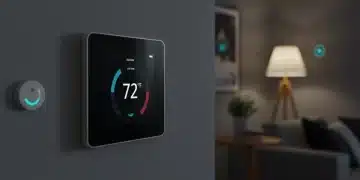
- Smart Thermostats: These devices learn your routines, allow remote control, and can optimize heating and cooling schedules based on occupancy and weather forecasts, leading to significant energy savings.
Beyond Appliances: Maximizing Your Savings
While choosing the right energy-efficient appliances 2026 is paramount, their effectiveness can be amplified by other energy-saving practices and home improvements.
Proper Installation and Maintenance
Even the most efficient appliance won’t perform optimally if it’s not installed correctly or maintained regularly. Ensure professional installation for major appliances, especially HVAC systems and water heaters. Regular cleaning of filters (HVAC, dryer lint, refrigerator coils) and prompt repairs can significantly impact efficiency and extend the lifespan of your appliances.
Home Insulation and Air Sealing
A well-insulated and air-sealed home dramatically reduces the workload on your heating and cooling systems. Check your attic insulation, seal drafts around windows and doors, and consider energy-efficient windows. These improvements create a thermal envelope that keeps conditioned air in and unconditioned air out, allowing your HVAC system to run less frequently and more efficiently.
Smart Home Integration
Integrating your energy-efficient appliances into a smart home ecosystem can unlock further savings. Smart hubs can coordinate schedules, monitor energy usage in real-time, and even detect anomalies. For example, a smart home system could automatically adjust your thermostat when you leave the house or turn off lights when a room is empty.
Behavioral Changes
Sometimes, the simplest changes have the biggest impact. Running your dishwasher and washing machine with full loads, using cold water for laundry, air-drying clothes when possible, and unplugging ‘phantom load’ electronics can all contribute to significant energy savings. Setting your thermostat a few degrees higher in summer and lower in winter can also make a big difference without sacrificing comfort.
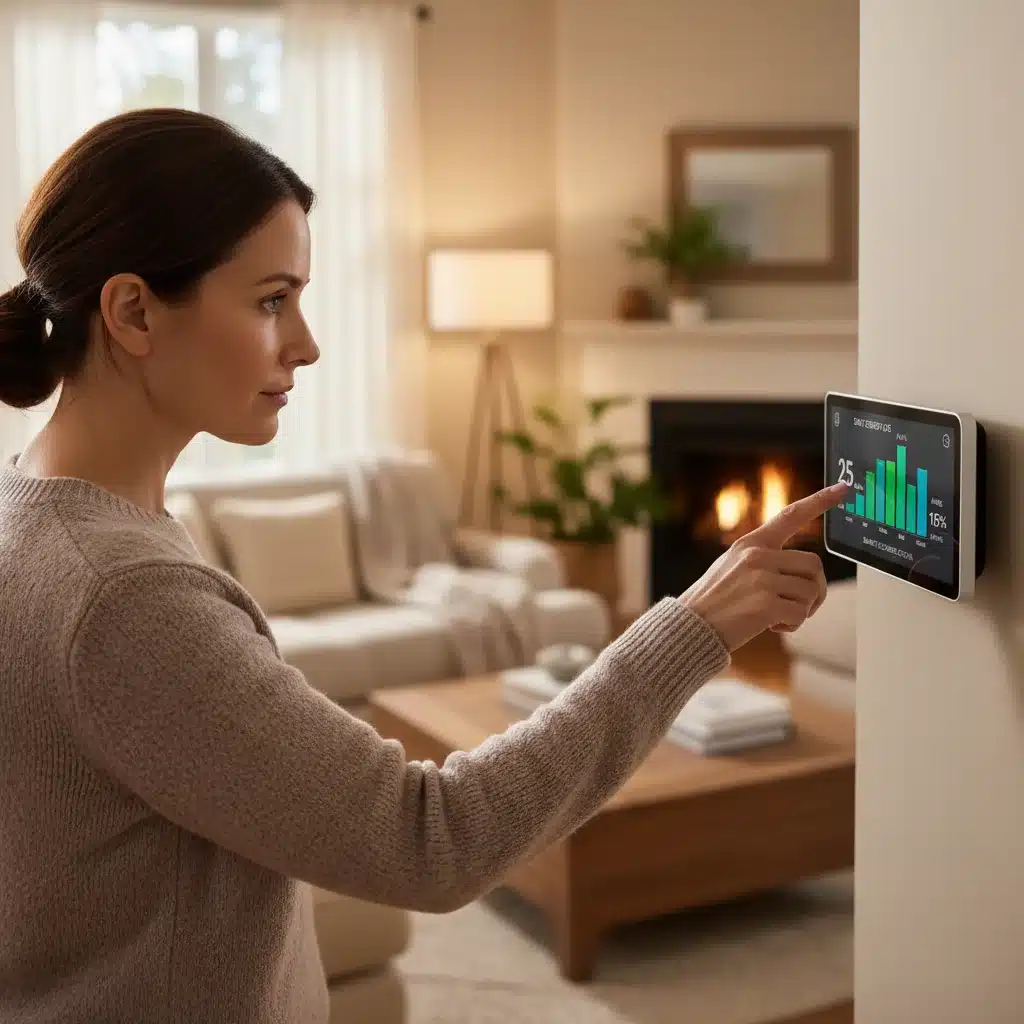
Calculating Your Potential Savings
To truly appreciate the impact of upgrading to energy-efficient appliances 2026, it’s helpful to estimate your potential savings. While a precise calculation requires detailed energy audits, you can get a good approximation:
- Identify Current Energy Hogs: Look at your utility bills and identify the largest energy consumers in your home (usually HVAC, water heater, and refrigerator).
- Research Efficient Alternatives: Find the Energy Star ratings and estimated annual operating costs for the specific energy-efficient models you’re considering.
- Compare and Calculate: Subtract the estimated annual operating cost of the new appliance from your current appliance’s estimated cost. Multiply this by the expected lifespan of the new appliance to see the total potential savings.
- Factor in Rebates: Don’t forget to deduct any available government or utility rebates from the initial purchase price to get a clearer picture of your net investment.
Many utility companies offer online calculators or energy assessment tools that can provide more personalized estimates based on your home’s specific characteristics and local energy rates.
The Future of Home Efficiency: What’s Next?
The innovation in energy efficiency isn’t slowing down. Looking beyond 2026, we can expect:
- Even Smarter Integration: Appliances will communicate more seamlessly with each other and the grid, optimizing energy use based on real-time electricity prices and peak demand.
- Deeper AI and Machine Learning: AI will further personalize appliance operation, learning individual household habits and making autonomous adjustments for maximum efficiency and comfort.
- Advanced Materials: Expect new materials that offer superior insulation, heat transfer, and durability, further enhancing appliance performance and longevity.
- Circular Economy Principles: Increased focus on reparability, recyclability, and modular design to reduce waste and extend product lifecycles.
- Renewable Energy Integration: More appliances will be designed to directly integrate with home solar panels or other renewable energy sources, creating truly self-sufficient energy ecosystems.
Conclusion: Your Path to a Greener, More Affordable Home
Investing in energy-efficient appliances 2026 is one of the most effective ways to improve your home’s comfort, reduce your environmental footprint, and significantly lower your utility bills. By understanding the ratings, choosing the right models, and integrating smart practices, you can confidently achieve annual savings of 15% or more.
Start by identifying your home’s biggest energy consumers and gradually replace them with Energy Star certified models. Combine these upgrades with good insulation, smart home technology, and conscious energy habits, and you’ll be well on your way to a greener, more affordable, and more comfortable home for years to come. The future of home living is efficient, and 2026 is the perfect time to embrace it.