Product Recalls: Are Your Recent Purchases Affected by the 15 Major Recalls Issued in the Last 3 Months?
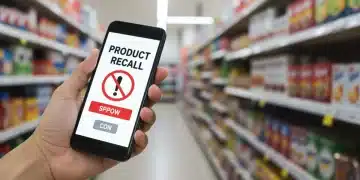
In our fast-paced world of consumerism, we often make purchases with little thought beyond the immediate need or desire. We trust that the products we bring into our homes and lives have undergone rigorous testing and meet stringent safety standards. However, the reality is that product recalls are a regular occurrence, serving as a critical reminder that vigilance is paramount. A product recall alert can emerge for a variety of reasons, ranging from manufacturing defects and potential safety hazards to mislabeling or undeclared allergens. The impact of such recalls can be significant, potentially leading to injuries, illnesses, or even fatalities. For consumers, staying informed about these alerts is not just a recommendation; it’s a necessity for safeguarding their well-being and that of their families.
The sheer volume of products available on the market means that keeping track of every potential issue can feel like an overwhelming task. Yet, ignoring these warnings can have serious consequences. Imagine a faulty electronic device causing a fire, a contaminated food item leading to severe illness, or a children’s toy posing a choking hazard. These are not hypothetical scenarios; they are real dangers that a product recall alert aims to mitigate. This comprehensive guide is designed to cut through the noise, bringing you up-to-date information on the 15 major product recalls issued in the last three months. Our goal is to empower you with the knowledge needed to quickly identify if any of your recent purchases are affected and, more importantly, what steps to take to ensure your safety.
Understanding the landscape of product recalls involves more than just knowing about specific items. It requires an awareness of the systems in place to protect consumers, the common reasons behind recalls, and the best practices for staying informed. We’ll delve into the various categories of recalled products, from household goods and electronics to food and children’s items, providing a detailed overview of each major alert. Our aim is to make this information accessible and actionable, transforming what might seem like a complex issue into a clear and manageable process for every consumer. By the end of this article, you will be equipped with the tools and knowledge to proactively address any potential risks posed by recalled products, ensuring peace of mind in your purchasing decisions.
The Importance of Staying Informed: Why Every Product Recall Alert Matters
The concept of a product recall alert is rooted in consumer protection. Government agencies and manufacturers collaborate to identify and address potential dangers that products might pose to the public. When a product is found to be unsafe or non-compliant with regulations, a recall is initiated to remove it from the market and inform consumers of the risk. This process is crucial because even a seemingly minor defect can have significant repercussions. For instance, a small electrical fault in an appliance could lead to a house fire, or a mislabeled ingredient in a food product could trigger a severe allergic reaction in an unsuspecting individual.
Beyond immediate physical dangers, recalls also uphold the integrity of the market. They hold manufacturers accountable for the quality and safety of their goods, fostering trust between businesses and consumers. When a recall is handled effectively, it demonstrates a company’s commitment to consumer welfare, even in the face of a product failure. Conversely, a poorly managed recall can severely damage a brand’s reputation and lead to legal liabilities. For consumers, paying attention to a product recall alert is an act of self-preservation and a way to encourage higher safety standards across industries.
The digital age has transformed how recall information is disseminated. While traditional media outlets still play a role, government websites, social media, and direct email notifications have become powerful tools for spreading awareness. This increased accessibility means that consumers have more opportunities than ever to stay informed. However, it also means sifting through a vast amount of information. Our goal here is to streamline that process, providing a curated list of the most critical recalls you need to know about. By understanding the ‘why’ behind each product recall alert, you can better appreciate the importance of taking swift action when one affects you.
Understanding the Recall Process: From Detection to Resolution
A product recall alert doesn’t just appear out of nowhere; it’s the culmination of a systematic process designed to protect consumers. This process typically begins with the detection of a potential issue. This can happen in several ways: a manufacturer might discover a defect during internal quality control, consumer complaints might highlight a recurring problem, or government agencies might identify non-compliance during market surveillance. Once an issue is identified, a thorough investigation is usually conducted to determine the scope of the problem, the potential risks to consumers, and the number of affected products.
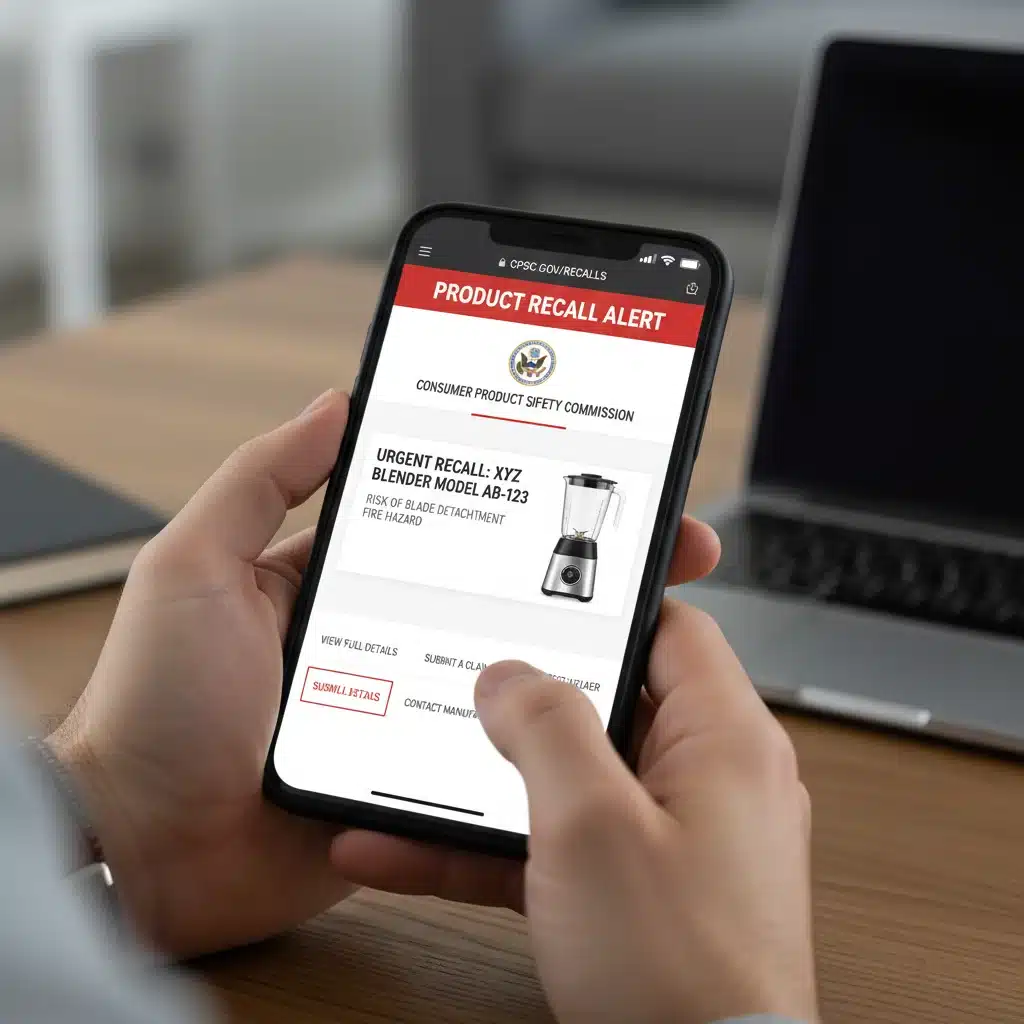
If the investigation confirms a significant safety concern, the manufacturer, often in collaboration with regulatory bodies like the Consumer Product Safety Commission (CPSC) in the U.S. or similar agencies internationally, will initiate a recall. This involves issuing a formal product recall alert to the public. The alert typically includes vital information such as the specific product details (brand name, model numbers, UPC codes), the nature of the hazard, instructions on what consumers should do (e.g., stop using the product, return it for a refund or replacement), and contact information for the manufacturer.
The resolution phase of a recall is equally important. Consumers are usually offered various remedies, which can include a full refund, a repair, or a replacement product. It’s crucial for consumers to follow the instructions provided in the product recall alert to ensure their safety and receive appropriate compensation. Manufacturers are also responsible for ensuring that recalled products are effectively removed from the supply chain and that the underlying issues are rectified to prevent future occurrences. This multi-step process, from initial detection to final resolution, underscores the complexity and importance of product safety. Being aware of these steps helps consumers understand the gravity of each alert and how best to respond.
The Last Three Months: A Deep Dive into 15 Major Product Recall Alerts
The past quarter has seen a significant number of product recalls spanning various categories. Staying abreast of these can be challenging, which is why we’ve compiled a concise yet comprehensive list of the 15 most impactful product recall alert notices. This section will break down each major recall, providing critical details to help you determine if your recent purchases are affected.
Category 1: Household Goods and Appliances
- Recall 1: Smart Home Device X – Overheating Risk
Details: This popular smart home hub, sold between January and March, has been recalled due to reports of overheating, posing a fire hazard. Approximately 50,000 units are affected. Consumers should immediately unplug the device and contact the manufacturer for a free replacement. - Recall 2: Electric Kettle Model Y – Shock Hazard
Details: Identified as a risk for electric shock due to faulty wiring, this kettle model was sold from December to February. Around 30,000 units are part of this product recall alert. Stop using it and return it to the point of purchase for a full refund. - Recall 3: Humidifier Brand Z – Mold Contamination
Details: Certain humidifier models manufactured in the last six months have been found to harbor mold, potentially causing respiratory issues. Consumers are advised to discontinue use and contact the company for a repair kit or refund.
Category 2: Food and Beverages
- Recall 4: Organic Spinach Batch A – E. coli Contamination
Details: A specific batch of organic spinach, distributed nationwide in the last two months, tested positive for E. coli. This poses a serious health risk. Check package codes and discard any affected product. - Recall 5: Gluten-Free Cookies Brand B – Undeclared Allergen (Peanuts)
Details: Despite being labeled ‘gluten-free,’ these cookies contain undeclared peanuts, a severe allergen for many. Individuals with peanut allergies should avoid this product. Contact the manufacturer for refund information. - Recall 6: Canned Soup Variety C – Botulism Risk
Details: Due to a packaging defect, certain cans of this soup may be contaminated with Clostridium botulinum, which can cause botulism. This is a critical product recall alert. Do not consume; return for a refund. - Recall 7: Frozen Berries Mix D – Hepatitis A Risk
Details: Several brands of frozen berry mixes have been linked to Hepatitis A outbreaks. Check your freezer for specific lot numbers mentioned in the recall notice and discard immediately.
Category 3: Children’s Products and Toys
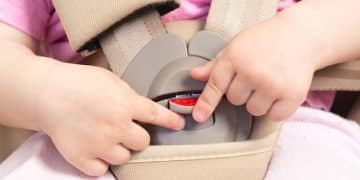
- Recall 8: Infant Car Seat Model E – Strap Malfunction
Details: This popular infant car seat model has been recalled due to a defect in the harness straps that can loosen, compromising child safety. Owners should register their product for a free repair kit. - Recall 9: Plush Toy F – Choking Hazard
Details: Small, detachable parts on this plush toy pose a choking hazard for young children. This product recall alert advises immediate removal from children and return for a refund. - Recall 10: Crib Mattress G – Suffocation Risk
Details: Certain crib mattresses have been found to be too soft, posing a suffocation risk for infants. Check the manufacturing date and model number; contact the retailer for a replacement.
Category 4: Electronics and Technology
- Recall 11: Laptop Battery Pack H – Fire Hazard
Details: Specific battery packs used in a well-known laptop brand have been linked to overheating and fire incidents. This is a crucial product recall alert. Consumers should stop using the affected batteries and seek a free replacement from the manufacturer. - Recall 12: Wireless Headphones I – Battery Explosion Risk
Details: A limited batch of these wireless headphones contains faulty batteries that could explode when charging. Discontinue use immediately and contact customer service for a refund or exchange.
Category 5: Automotive and Outdoor Equipment
- Recall 13: Bicycle Helmet J – Impact Protection Failure
Details: This particular model of bicycle helmet failed impact tests, offering insufficient protection in an accident. Riders should replace the helmet and contact the manufacturer for a refund. - Recall 14: Garden Tool K – Laceration Risk
Details: A design flaw in this widely sold garden tool can cause parts to break off during use, leading to serious lacerations. Stop using and return to the store for a refund. - Recall 15: Small Engine L – Fuel Leakage
Details: Certain small engines, often found in lawnmowers or generators, have been recalled due to a fuel leakage issue that presents a fire hazard. Owners should contact authorized service centers for a free repair.
Each product recall alert in this list represents a potential danger that has been identified and addressed by manufacturers and regulatory bodies. Your proactive engagement in checking these details can make a significant difference in preventing harm. Remember to cross-reference product names, model numbers, and manufacturing dates with the information provided in the official recall notices.
How to Check if Your Purchases Are Affected by a Product Recall Alert
Identifying whether your recent purchases fall under a product recall alert requires a systematic approach. While the list above provides a snapshot of major recalls, the best way to ensure comprehensive safety is to regularly check official sources. Here’s a step-by-step guide:
1. Consult Official Government Recall Websites
Most countries have dedicated government agencies responsible for consumer product safety. These websites are the primary and most reliable sources for recall information. In the United States, for example, the Consumer Product Safety Commission (CPSC) is an invaluable resource. For food-related recalls, the Food and Drug Administration (FDA) and the U.S. Department of Agriculture (USDA) are key. Similarly, in Canada, Health Canada provides recall information, and in the UK, the Office for Product Safety and Standards (OPSS) is the go-to. Regularly visiting these sites allows you to search by product type, brand name, or even date range to find relevant alerts.
2. Check Manufacturer Websites and Social Media
When a manufacturer issues a product recall alert, they typically publish detailed information on their official website. Many also use their social media channels to disseminate these warnings. If you have purchased a product from a specific brand recently, it’s a good practice to visit their website’s ‘support’ or ‘recall’ section, or follow their official social media pages for updates. This direct communication channel can often provide the most immediate and specific details about an affected product.
3. Utilize Retailer Notifications
Many large retailers have systems in place to notify customers directly if a product they purchased has been recalled. If you have a loyalty card or an online account with a retailer, they might send you an email or an in-app notification. Keeping your contact information updated with retailers can be a passive yet effective way to receive a product recall alert. Some retailers also display recall notices prominently in their stores or on their websites.
4. Inspect Product Labels and Packaging
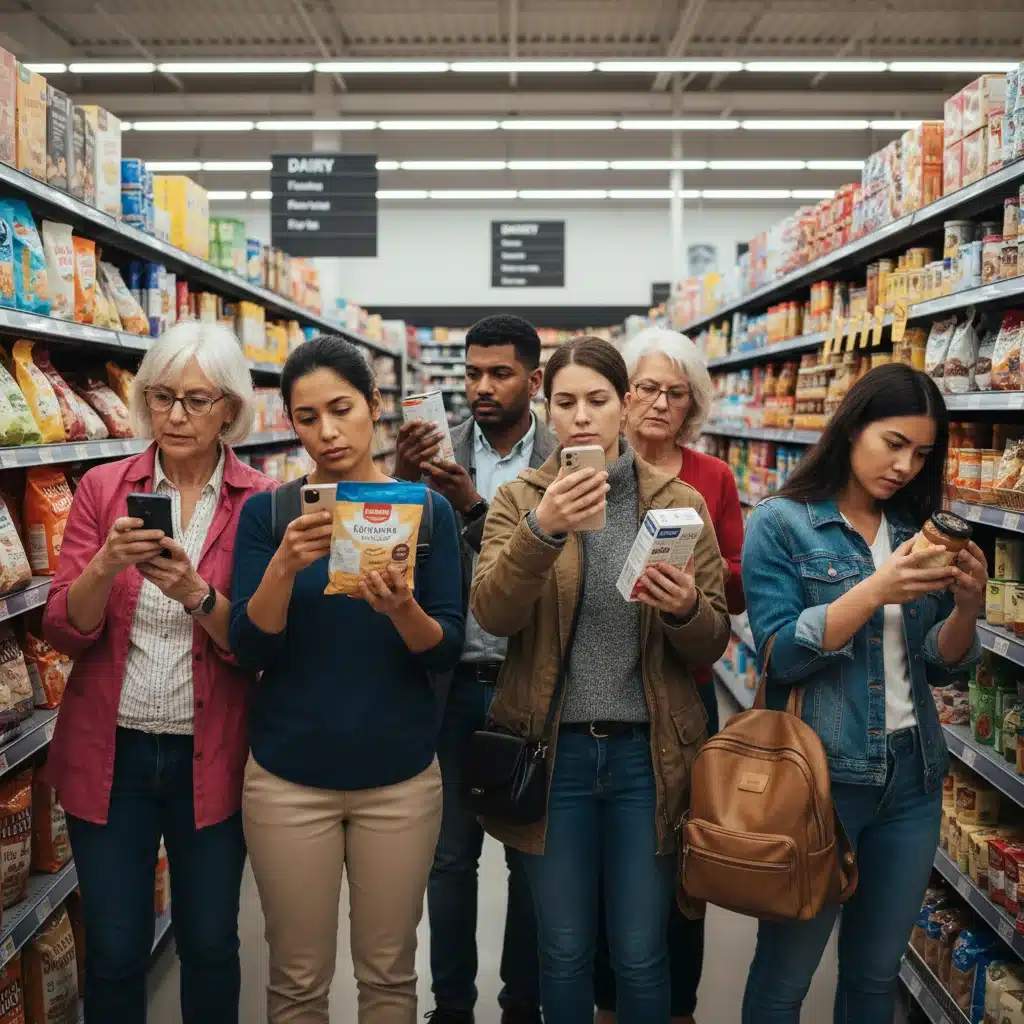
When a product recall alert is issued, it often specifies particular batch numbers, UPC codes, model numbers, or manufacturing dates. It’s crucial to carefully inspect the labels and packaging of your products to see if they match the recalled items. Don’t assume that just because you have the same brand or model, it’s automatically affected. Specific identifiers are key to accurate identification.
5. Sign Up for Email Alerts
Many government agencies and consumer advocacy groups offer email subscription services for recall notifications. Signing up for these alerts ensures that you receive a product recall alert directly in your inbox as soon as it’s published. This is one of the most proactive ways to stay continuously informed without having to constantly check multiple websites.
What to Do if Your Product is Recalled: A Step-by-Step Guide
Discovering that a product you own is subject to a product recall alert can be concerning, but knowing the correct steps to take can alleviate stress and ensure your safety. Here’s what you should do:
1. Stop Using the Product Immediately
The first and most critical step upon receiving a product recall alert is to cease using the affected item. Continuing to use a recalled product, especially one with a safety hazard, puts you and others at risk. Prioritize safety above all else.
2. Review the Recall Notice Carefully
Read the official recall notice thoroughly. Pay close attention to the specific details of the recall, including the exact product description, model numbers, UPC codes, and the nature of the hazard. This ensures you have the correct information before proceeding.
3. Follow Manufacturer’s Instructions for Remedy
A product recall alert will always include instructions on how to obtain a remedy. This could be a refund, a replacement product, or a repair kit. Contact the manufacturer using the provided contact information (phone number, email, or website). Be prepared to provide proof of purchase or product identification details if requested.
4. Do Not Resell or Donate Recalled Products
It might seem harmless to give away an unused recalled item, but doing so could transfer the risk to someone else. Recalled products should never be resold, donated, or given away. Follow the recall instructions for proper disposal or return.
5. Document Everything
Keep a record of your communications with the manufacturer or retailer, including dates, names of representatives, and any reference numbers. If you send the product back, keep proof of shipment. This documentation can be helpful if there are any issues with receiving your refund, replacement, or repair.
6. Spread Awareness (Responsibly)
If you know friends or family who might own the recalled product, share the product recall alert with them. However, always direct them to official sources for detailed information, rather than relying on hearsay. Responsible sharing helps protect a wider community.
Taking these steps ensures that you respond effectively to a product recall alert, minimizing risk and ensuring you receive the appropriate resolution from the manufacturer.
Beyond the Alert: Proactive Measures for Consumer Safety
While reacting to a product recall alert is essential, adopting proactive consumer habits can significantly enhance your overall safety and peace of mind. Prevention is always better than cure, and this holds true for product safety as well. Here are some key proactive measures you can integrate into your purchasing and usage routines:
1. Research Before You Buy
Before making a significant purchase, especially for items that carry potential safety risks (like electronics, children’s products, or appliances), take a few moments to do some research. Look up product reviews, check for any existing recall history of the brand or similar products, and consult independent consumer safety organizations. A quick search for ‘[product name] + reviews’ or ‘[brand name] + recalls’ can yield valuable insights and help you avoid future headaches from a product recall alert.
2. Register Your Products
Many manufacturers offer product registration upon purchase. While it might seem like an extra step, registering your product can be incredibly beneficial. In the event of a product recall alert, registered owners are often directly notified by the manufacturer via email or mail. This ensures you receive timely and specific information, rather than relying solely on public announcements.
3. Keep Receipts and Packaging
Retaining your purchase receipts and, where practical, product packaging can simplify the recall process. Receipts serve as proof of purchase, which manufacturers often require for refunds or replacements. Packaging might contain crucial identifying information like model numbers, serial numbers, or batch codes that are vital for confirming if your item is part of a product recall alert.
4. Stay Updated with Consumer News
Make it a habit to periodically check reputable consumer news outlets, government recall websites, and consumer advocacy blogs. Many of these platforms aggregate recall information, making it easier to stay informed about a product recall alert across various categories. Consider setting up Google Alerts for keywords like ‘product recalls’ or specific product categories you frequently purchase.
5. Educate Yourself on Common Hazards
Understanding common product hazards can help you make safer choices. For example, knowing that small parts can pose a choking hazard for young children, or that certain electronics are prone to overheating, can guide your selections. This knowledge helps you critically evaluate products before they even become a potential product recall alert.
6. Report Safety Concerns
If you encounter a product that you believe is unsafe or has caused an injury, report it to the relevant consumer safety agency. Your report can be crucial in initiating an investigation and potentially leading to a product recall alert that protects countless other consumers. Consumer feedback is a vital component of the product safety ecosystem.
By integrating these proactive measures into your consumer habits, you not only protect yourself and your loved ones but also contribute to a safer marketplace for everyone. A vigilant consumer is an empowered consumer, capable of navigating the complexities of product safety with confidence and knowledge.
Conclusion: Your Role in a Safer Consumer Landscape
The landscape of consumer products is constantly evolving, bringing with it innovation, convenience, and unfortunately, occasional safety concerns. The past three months alone have underscored this reality with 15 major product recalls, each carrying its own set of risks and implications. From household appliances posing fire hazards to food items contaminated with dangerous bacteria and children’s toys presenting choking risks, a product recall alert serves as a critical mechanism for safeguarding public health and safety. Our exploration of these specific recalls, along with the broader context of product safety, aims to equip you with the essential knowledge needed to navigate this environment effectively.
Staying informed about every product recall alert is not merely a passive act; it’s an active responsibility that each consumer bears. It involves understanding where to find reliable information, how to identify affected products, and what immediate steps to take to mitigate risks. Beyond reacting to alerts, embracing proactive measures such as researching purchases, registering products, and reporting concerns contributes significantly to a safer consumer ecosystem for everyone. Your vigilance helps hold manufacturers accountable, drives higher safety standards, and ultimately protects lives.
We encourage you to use the information provided in this article as a starting point. Regularly check the official recall websites mentioned, sign up for relevant alerts, and make it a habit to inspect your purchases. By doing so, you transform from a passive recipient of goods into an active participant in ensuring product safety. Remember, a single product recall alert can prevent serious harm, and your awareness is the first line of defense. Let’s work together to create a marketplace where safety is paramount, and consumers can shop with confidence, knowing they are protected from unforeseen dangers.