Consumer Rights Update 2026: Navigating New Retail Return Policies

Consumer Rights Update 2026: Navigating New Retail Return Policies Across Major US Retailers
The retail landscape is in a constant state of flux, driven by evolving consumer expectations, technological advancements, and legislative adjustments. As we approach 2026, significant changes are on the horizon for retail return policies across major US retailers. These updates are not merely minor tweaks; they represent a fundamental shift in how consumers can return products and how retailers manage these processes. Understanding these changes is crucial for every shopper, ensuring you remain informed about your rights and responsibilities. This comprehensive guide will delve into the anticipated alterations, their implications for consumers, and practical advice on navigating the new rules.
Historically, return policies have varied widely from store to store, often leading to confusion and frustration for consumers. While some retailers offered generous, no-questions-asked returns, others maintained stricter guidelines. The upcoming 2026 changes aim to introduce a degree of standardization while also reflecting the complexities of modern retail, particularly the rise of e-commerce and its unique challenges regarding returns. These shifts are influenced by a combination of factors, including consumer advocacy, retailer profitability concerns, and a push for more sustainable practices within the industry. The goal is to strike a balance that protects consumer interests while also allowing retailers to operate efficiently and fairly. This article will explore the specifics of these changes, providing you with the knowledge to shop confidently and make informed decisions.
The Driving Forces Behind the 2026 Retail Return Policy Changes
Several key factors are converging to necessitate these widespread updates to retail return policies. Firstly, the exponential growth of e-commerce has fundamentally altered the return process. Online purchases often involve a higher return rate due to customers being unable to physically inspect items before buying. This has led to increased operational costs for retailers, including shipping, restocking, and processing returned goods. The sheer volume of online returns has prompted a re-evaluation of current practices to manage this logistical challenge more effectively.
Secondly, consumer behavior has evolved. Shoppers are more aware of their rights and expect clear, transparent return policies. Social media and online reviews amplify both positive and negative experiences, putting pressure on retailers to maintain fair and consistent practices. There’s also a growing awareness of ‘return fraud’ and ‘wardrobing’ (buying an item, wearing it, and then returning it), which costs retailers billions annually. New policies aim to curb these abuses without penalizing legitimate returns.
Thirdly, legislative discussions at both federal and state levels are influencing these changes. While there isn’t a single overarching federal law dictating return policies, various consumer protection acts and state-specific regulations often guide retailer practices. The 2026 updates may reflect a move towards greater clarity and potentially more standardized consumer protections, particularly concerning online purchases and the disclosure of return terms. The push for sustainability is also playing a role, with some policies encouraging consumers to consider the environmental impact of frequent returns.
Key Areas of Change: What Consumers Can Expect
The upcoming changes to retail return policies will touch upon several critical aspects. Understanding these specific areas will help consumers adapt to the new environment.
1. Stricter Return Windows and Time Limits
One of the most noticeable changes will likely be a general tightening of return windows. Many retailers are expected to reduce the number of days consumers have to return an item. While 30 or 60-day return policies have been common, we may see more retailers moving towards 14 or 21-day limits, particularly for certain categories of goods like electronics, seasonal items, or high-value merchandise. This is partly to mitigate the depreciation of goods and reduce instances of ‘wardrobing’. It is crucial for consumers to check the return window immediately upon purchase, as it may differ significantly from previous experiences.
2. Increased Scrutiny on Item Condition and Packaging
Expect retailers to be more stringent about the condition of returned items. Products will likely need to be returned in their original, resellable condition, with all tags attached and original packaging intact. Some retailers may introduce stricter inspection processes to ensure items are not used or damaged beyond reasonable limits. For items like electronics or software, sealed packaging might become a non-negotiable requirement for a full refund. This aims to reduce the financial loss associated with unsellable returned merchandise.
3. Restocking Fees and Return Shipping Costs
The reintroduction or increase of restocking fees is a significant trend. While many retailers previously absorbed these costs, the financial burden of processing returns, especially for bulky or specialized items, is prompting a change. Consumers might find themselves paying a percentage of the item’s value as a restocking fee. Similarly, free return shipping, once a common perk for online purchases, may become less prevalent. Retailers might start charging for return labels or only offer free returns if the item is exchanged or returned to a physical store. Always check the retailer’s specific policy regarding these fees before initiating a return.
4. Digital Receipts and Proof of Purchase Requirements
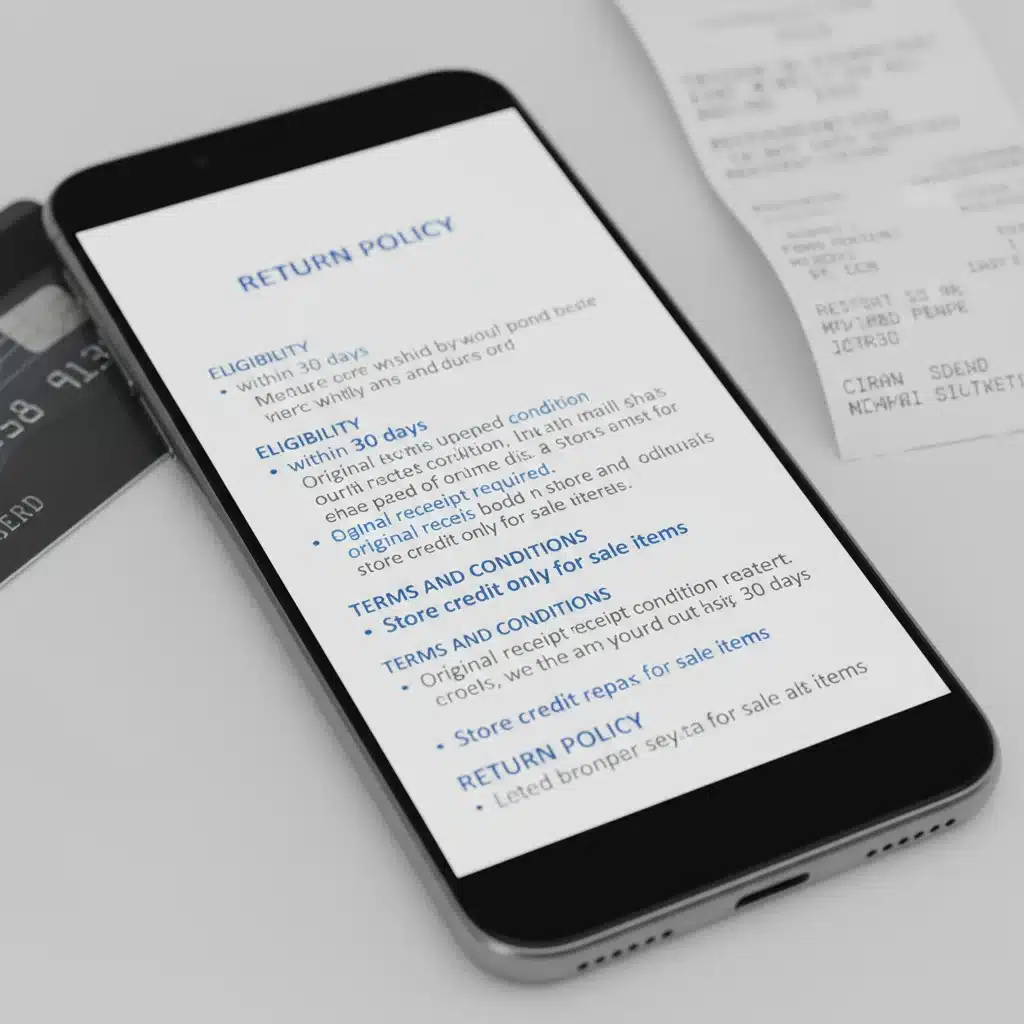
The shift towards digital-first operations means an increased reliance on digital receipts and loyalty program data for proof of purchase. While physical receipts will still be accepted, retailers are encouraging consumers to opt for emailed receipts or link purchases to their loyalty accounts. This streamlines the return process for both parties and helps retailers track purchase history more accurately, which can be useful in identifying potential return fraud patterns. Consumers should make it a habit to save digital receipts or ensure purchases are linked to their accounts.
5. Differentiated Policies for Online vs. In-Store Purchases
It’s increasingly common for retailers to have slightly different retail return policies for items bought online versus those purchased in a physical store. This distinction is likely to become more pronounced. Online returns might have different shipping requirements, a different return window, or specific instructions for packaging. In-store returns might be simpler for online purchases if the retailer has a robust omnichannel strategy, allowing for immediate refunds or exchanges. Always verify the specific policy for your purchase channel.
6. Enhanced Data Tracking and Personalized Return Experiences
Retailers are leveraging advanced data analytics to track return patterns. This data can inform future policy adjustments and might even lead to personalized return experiences. For instance, a customer with a consistently low return rate might still enjoy more lenient terms, while those with high return rates or suspicious patterns could face stricter scrutiny or even be flagged. While this might sound intrusive, it’s a way for retailers to manage risk and maintain profitability while still serving their loyal customer base effectively. Transparency about data usage will be key here.
Impact on Specific Retailer Categories
While the general trends apply across the board, some retailer categories will feel the impact of these new retail return policies more acutely.
Electronics and Technology Retailers
These retailers often deal with high-value items that depreciate quickly and can be easily used or copied. Expect very strict return windows, mandatory original packaging, and potentially higher restocking fees for opened items. Software, digital downloads, and subscriptions will likely remain non-refundable once activated or used, a policy that is already largely in place but may be reinforced.
Apparel and Fashion Retailers
The fashion industry grapples significantly with ‘wardrobing’. Policies here will likely focus on ensuring items are unworn, with all tags attached. Some retailers may introduce new security tags that are difficult to remove and reattach, or require items to be returned in their original packaging. The return window for seasonal or fast-fashion items might also shrink considerably.
Home Goods and Furniture Retailers
Returns of large or bulky items are costly due to shipping and handling. Expect more prominent restocking fees and potentially consumer responsibility for return shipping for these categories. Custom-made or assembled furniture will almost certainly remain non-returnable once the order is placed or assembly begins, unless there’s a defect.
Online-Only Retailers (E-commerce Giants)
E-commerce platforms, which facilitate a huge volume of returns, are at the forefront of these changes. They will likely lead the way in implementing digital-first return processes, leveraging data to optimize policies, and potentially experimenting with various return shipping models. Free returns might become a premium feature or tied to loyalty programs.
Consumer Rights in the Face of Evolving Policies
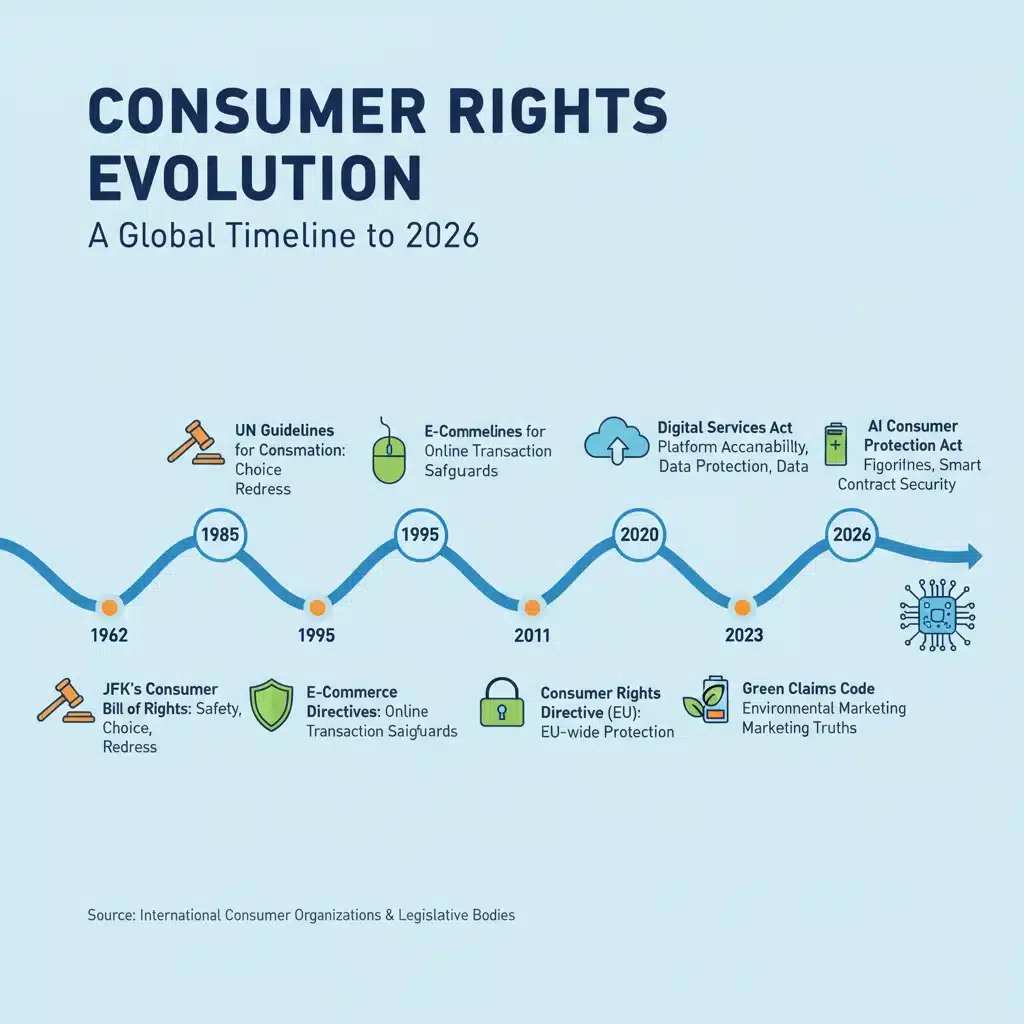
It’s vital to remember that despite these evolving retail return policies, consumers still retain fundamental rights. These rights are often enshrined in state and federal consumer protection laws, which generally cover:
- Defective or Damaged Goods: If an item is faulty, damaged, or not fit for purpose, consumers typically have a right to a repair, replacement, or refund, regardless of the retailer’s standard return policy. This right usually supersedes any ‘final sale’ or strict return window clauses.
- Misrepresented Products: If a product is significantly different from its description or advertisement, consumers generally have a right to return it.
- Warranty Protections: Many products come with implied or explicit warranties that guarantee their performance for a certain period. These warranties offer additional protection beyond the standard return policy.
- Clear Disclosure: Retailers are legally obligated to clearly disclose their return policies before a purchase is made. This means the policy should be easily accessible, whether in-store, on their website, or at the point of sale. Any significant changes must also be communicated effectively.
Consumers should always familiarize themselves with both the retailer’s specific policy and their general consumer rights. If you believe your consumer rights have been violated, consider contacting consumer protection agencies or seeking legal advice.
How to Navigate the New Return Landscape: Practical Tips for Consumers
Adapting to the new retail return policies requires a proactive approach. Here are some practical tips to help you navigate the updated landscape effectively:
1. Read the Return Policy BEFORE You Buy
This cannot be stressed enough. Before making any purchase, especially for high-value items or from a new retailer, take a few minutes to read their current return policy. Look for details on return windows, required condition, whether original packaging is needed, and if there are any restocking or shipping fees. Don’t assume policies are the same as they were last year or at a different store.
2. Keep All Receipts and Packaging
Always keep your physical and digital receipts. For online orders, save the confirmation email and any shipping notifications. Retain all original packaging, tags, and accessories until you are absolutely certain you want to keep the item. This will be crucial for a smooth return process.
3. Inspect Items Immediately Upon Arrival
For online purchases, inspect items as soon as they arrive. Check for any damage, defects, or discrepancies with your order. The sooner you identify an issue, the easier it will be to initiate a return or exchange within the specified window, especially if the item is faulty.
4. Understand the Difference Between a Refund and Store Credit
Some retailers, especially with stricter policies or after a certain period, might offer store credit instead of a full cash refund. Be aware of this distinction and whether it aligns with your preferences. Sometimes, a full refund might only be available if the item is returned within a very short timeframe.
5. Utilize Loyalty Programs and Digital Accounts
Linking your purchases to a loyalty program or creating an online account with retailers can streamline returns. Your purchase history is automatically tracked, often making it easier to process returns even if you misplace a physical receipt. Some loyalty programs might also offer extended return windows as a perk.
6. Know Your Consumer Rights
Educate yourself on general consumer protection laws in your state and at the federal level. This knowledge empowers you to advocate for yourself if you encounter a situation where a retailer’s policy seems to infringe upon your basic rights, especially concerning defective or misrepresented products.
7. Be Mindful of ‘Final Sale’ Items
Many retailers clearly mark items as ‘final sale’ or ‘non-returnable,’ especially during clearance events. Ensure you understand that these purchases typically cannot be returned or exchanged unless they are defective. This policy is likely to become more common and strictly enforced.
8. Consider the Environmental Impact
While not a direct policy, being mindful of the environmental impact of returns can influence your purchasing decisions. Reducing unnecessary returns helps mitigate waste and carbon emissions associated with shipping and processing. Consider whether you truly need an item before purchasing, and utilize detailed product descriptions and reviews to make informed choices.
The Future of Retail Returns and Consumer Trust
The evolution of retail return policies in 2026 is a reflection of the dynamic relationship between consumers and retailers. While some changes might feel restrictive to shoppers accustomed to more lenient policies, they are often a necessary adjustment for retailers grappling with increased costs, logistical complexities, and instances of return abuse. The key for retailers will be to implement these changes with transparency and clear communication, maintaining consumer trust and loyalty.
For consumers, the new landscape emphasizes the importance of informed decision-making. By being proactive, understanding policies, and knowing your rights, you can navigate these changes seamlessly and continue to enjoy a positive shopping experience. The goal for both sides is a sustainable and fair retail environment where products are purchased thoughtfully and returns are handled efficiently when genuinely needed.
These adjustments are not designed to hinder consumer satisfaction but rather to create a more balanced ecosystem. As retailers refine their approaches, we may also see innovative solutions emerge, such as improved virtual try-on technologies, more detailed product descriptions, and enhanced customer service to reduce the initial need for returns. Ultimately, the 2026 updates represent a step towards a more mature and responsible retail industry, benefiting both businesses and conscientious consumers alike.
Conclusion
The year 2026 marks a pivotal moment for retail return policies in the United States. With stricter return windows, increased scrutiny on item condition, potential restocking fees, and a greater reliance on digital proof of purchase, consumers need to be more vigilant than ever. These changes are driven by the realities of e-commerce, evolving consumer behavior, and the need for retailers to manage operational costs effectively.
However, these adjustments do not diminish fundamental consumer rights, particularly concerning defective or misrepresented products. By staying informed, reading policies carefully before purchasing, retaining all documentation, and understanding your rights, you can navigate this new retail landscape with confidence. The future of retail returns is leaning towards greater clarity, responsibility, and efficiency, fostering a more sustainable and equitable shopping experience for everyone.